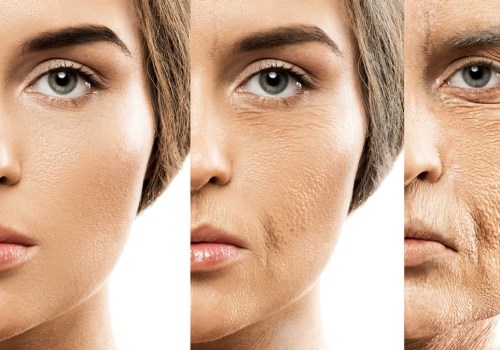
In an age where advancements in medicine and technology are rapidly evolving, the concept of longevity has gained unprecedented attention. Longevity refers not only to the length of life but also to the quality of that life, encapsulating the idea of living longer while maintaining good health. As populations around the world age, understanding the determinants of longevity becomes increasingly vital. This understanding is not merely academic; it has profound implications for individuals and society as a whole.The importance of longevity extends beyond personal health; it influences economic stability, healthcare systems, and social structures.
As life expectancy increases, so does the need for effective strategies to ensure that individuals not only live longer but also enjoy a fulfilling and active life. This is where longevity clinics come into play. These specialised facilities focus on optimising health span—the period during which a person remains healthy and free from serious disease—through tailored interventions that address both genetic and lifestyle factors.Longevity clinics employ a multidisciplinary approach, combining insights from genetics, nutrition, exercise science, and preventive medicine to create personalised plans aimed at enhancing both lifespan and health span. By focusing on factors such as diet, physical activity, mental well-being, and regular health screenings, these clinics empower individuals to take control of their health outcomes. come into play. These specialised facilities focus on optimising health span—the period during which a person remains healthy and free from serious disease—through tailored interventions that address both genetic and lifestyle factors.Longevity clinics employ a multidisciplinary approach, combining insights from genetics, nutrition, exercise science, and preventive medicine to create personalised plans aimed at enhancing both lifespan and health span. By focusing on factors such as diet, physical activity, mental well-being, and regular health screenings, these clinics empower individuals to take control of their health outcomes.
The growing interest in longevity clinics reflects a societal shift towards proactive health management, where individuals seek to understand their unique biological makeup and how it influences their potential for a long and healthy life.As we delve deeper into the determinants of longevity throughout this article, we will explore how various elements—ranging from genetics to lifestyle choices—interact to shape our life expectancy. Understanding these factors is crucial for anyone looking to enhance their quality of life as they age. The journey towards longevity is not just about adding years to life; it’s about adding life to years.
Defining Longevity: Life Expectancy vs. Health Span
When discussing the concept of longevity, it is essential to differentiate between two critical terms: life expectancy and health span.While both terms relate to the duration of life, they encapsulate different aspects of what it means to live a long life.
Life expectancy
refers to the average number of years a person is expected to live based on statistical data. This measure takes into account various demographic factors, including age, gender, and historical mortality rates. For instance, in many developed countries, life expectancy has seen a significant increase over the past century, with many individuals now living into their 80s and beyond. However, this figure does not necessarily reflect the quality of life during those years.On the other hand, health span is a term that describes the period during which an individual remains healthy and free from serious disease or disability.
It focuses on the quality of life rather than just the quantity of years lived. A longer health span means that individuals can enjoy their later years with vitality and independence, engaging in activities that contribute to their overall well-being.The distinction between these two concepts is crucial for understanding longevity in a holistic sense. While life expectancy may indicate that people are living longer, it does not guarantee that they are doing so in good health. For example, an individual may reach an advanced age but spend a significant portion of their later years dealing with chronic illnesses or disabilities.To illustrate this difference further:
- Life Expectancy: A 70-year-old may have a life expectancy of another 15 years based on current statistics.
- Health Span: However, if that same individual has multiple health issues, their health span might only extend another 5 years before significant health decline occurs.
By prioritising both aspects, individuals can aim for a longer life filled with quality experiences rather than merely extending the number of years lived.In conclusion, understanding the difference between life expectancy and health span is vital for anyone interested in longevity. It encourages a more comprehensive approach to ageing—one that values both the length and quality of life.
The Role of Genetics in Longevity
Genetics plays a pivotal role in determining an individual's longevity, influencing not only the potential lifespan but also the quality of life experienced in those years. Recent studies have shed light on the complex interplay between genetic factors and longevity, revealing that while genetics is a significant contributor, it is not the sole determinant.Research indicates that approximately 25% of the variation in life expectancy can be attributed to genetic factors. This suggests that hereditary influences are substantial, yet they interact with environmental and lifestyle factors to shape overall health outcomes.For instance, individuals with a family history of longevity often possess specific genetic markers associated with resilience against age-related diseases.
Key Genetic Factors Affecting Longevity
Several key genetic components have been identified as influential in promoting a longer life:- Telomere Length: Telomeres, the protective caps at the ends of chromosomes, shorten as cells divide. Shorter telomeres are linked to aging and increased susceptibility to diseases. Genetic variations that affect telomere maintenance can therefore impact longevity.
- DNA Repair Mechanisms: The ability of cells to repair DNA damage is crucial for maintaining cellular integrity. Genetic predispositions that enhance these repair mechanisms can lead to a lower incidence of age-related illnesses.
- Inflammatory Response: Chronic inflammation is a known contributor to various age-related diseases.
Certain genetic profiles may predispose individuals to either heightened or reduced inflammatory responses, influencing their overall health and longevity.
- Metabolic Pathways: Genes involved in metabolism can affect how efficiently the body processes nutrients and manages energy. Variations in these genes can influence susceptibility to obesity, diabetes, and other metabolic disorders that impact lifespan.
By identifying specific genetic markers associated with longevity, healthcare providers can offer customised lifestyle recommendations and preventive strategies aimed at enhancing both lifespan and healthspan.In conclusion, while genetics undeniably influences longevity through various hereditary factors, it is essential to recognise that lifestyle choices and environmental conditions also play critical roles. The synergy between these elements ultimately determines an individual's overall health trajectory and lifespan.
Environmental Influences on Longevity
The environment in which we live plays a crucial role in determining our longevity. Various environmental factors, including pollution, climate, and community dynamics, significantly influence our health and lifespan. Understanding these influences can help us make informed choices to enhance our well-being and potentially extend our lives.Pollution
is one of the most pressing environmental issues affecting longevity.
Air quality, for instance, has a direct impact on respiratory health. Studies have shown that long-term exposure to air pollutants such as particulate matter (PM2.5) and nitrogen dioxide (NO2) can lead to chronic respiratory diseases, cardiovascular problems, and even premature death. Urban areas often experience higher levels of pollution due to traffic and industrial activities, which can contribute to a lower life expectancy compared to rural settings.Moreover, water quality is another critical factor. Contaminated water sources can lead to a range of health issues, including gastrointestinal diseases and long-term health complications.
Access to clean drinking water is essential for maintaining good health and longevity.
Climate
also plays a significant role in longevity. Extreme weather conditions, such as heatwaves or severe cold, can adversely affect vulnerable populations, particularly the elderly. Additionally, climate change poses long-term risks by increasing the frequency of natural disasters, which can disrupt communities and lead to loss of life.The community environment is equally important. Social connections and support systems have been linked to improved mental health and longevity.
Communities that foster social interaction and provide access to recreational activities tend to promote healthier lifestyles. Conversely, isolation and lack of community engagement can lead to mental health issues such as depression and anxiety, which may negatively impact overall health.Furthermore, the availability of green spaces has been associated with better physical and mental health outcomes. Access to parks and natural environments encourages physical activity, reduces stress levels, and enhances overall well-being. Studies indicate that individuals living in areas with ample green spaces tend to have lower rates of chronic diseases and higher life satisfaction.In conclusion, the interplay between environmental factors and longevity is complex yet vital for understanding how we can improve our lifespan.
By addressing pollution, ensuring access to clean water, adapting to climate changes, fostering community ties, and promoting green spaces, we can create healthier environments that support longer lives.
Lifestyle Choices That Promote Longevity
When it comes to enhancing longevity, the choices we make in our daily lives play a pivotal role. A holistic approach that encompasses diet, physical activity, and mental well-being can significantly influence our lifespan and quality of life.Diet and Longevity
A balanced diet is fundamental to promoting longevity. Research indicates that diets rich in whole foods, such as fruits, vegetables, whole grains, lean proteins, and healthy fats, are associated with longer life expectancy.Mediterranean diets
, for instance, which are high in olive oil, nuts, and fish, have been linked to reduced risks of chronic diseases such as heart disease and diabetes.- Antioxidant-Rich Foods: Consuming foods high in antioxidants can combat oxidative stress, a contributor to aging.
Berries, dark chocolate, and green leafy vegetables are excellent sources.
- Portion Control: Overeating can lead to obesity and related health issues. Practicing portion control helps maintain a healthy weight and reduces the risk of chronic diseases.
- Hydration: Staying adequately hydrated is essential for overall health. Water supports bodily functions and can aid in maintaining energy levels.
Exercise and Lifespan
Regular physical activity is another cornerstone of longevity. Engaging in moderate exercise for at least 150 minutes per week can enhance cardiovascular health, strengthen muscles, and improve mental health.- Aerobic Activities: Activities such as walking, cycling, or swimming improve heart health and endurance.
- Strength Training: Incorporating strength training exercises at least twice a week helps maintain muscle mass and bone density as we age.
- Mental Engagement: Activities that challenge the brain, such as puzzles or learning new skills, can also contribute to cognitive longevity.
Mental Health Practices
Mental well-being is equally important in the quest for longevity.Practices such as mindfulness meditation, yoga, or simply spending time in nature can reduce stress levels and promote emotional resilience.
- Social Connections: Maintaining strong relationships with family and friends has been shown to enhance emotional health and longevity.
- Stress Management: Chronic stress can negatively impact health. Techniques like deep breathing exercises or engaging in hobbies can help mitigate stress.
The Impact of Medical Advances on Longevity
In recent decades, the field of medicine has witnessed remarkable advancements that have significantly influenced longevity. These innovations not only extend life expectancy but also enhance the quality of life for individuals as they age.The role of medical science in promoting longer, healthier lives cannot be overstated.
Innovative Treatments and Therapies
One of the most notable contributions to longevity is the development of innovative treatments and therapies. For instance, breakthroughs in genetic research have paved the way for targeted therapies that address specific health conditions at their source. Conditions such as cancer, which were once considered terminal, now have a range of treatment options that can significantly prolong life.Additionally, advancements in regenerative medicineregenerative medicine, including stem cell therapy, are showing promise in repairing damaged tissues and organs. This not only helps in treating chronic diseases but also plays a crucial role in enhancing overall health as individuals age.
Preventive Healthcare
The shift towards preventive healthcare has also been instrumental in increasing longevity.
Regular screenings and early detection of diseases allow for timely interventions that can prevent the progression of illnesses. Vaccination programs have drastically reduced mortality rates from infectious diseases, contributing to longer lifespans.
Technological Innovations
The integration of technology into healthcare has further revolutionised how we approach longevity. Wearable devices that monitor vital signs and health metrics empower individuals to take charge of their health. Telemedicine has made healthcare more accessible, allowing patients to consult with healthcare professionals without geographical constraints.
Holistic Approaches
Moreover, a growing emphasis on holistic approaches to health—incorporating mental, emotional, and physical well-being—has emerged.
Programs focusing on lifestyle changes, such as improved nutrition and regular exercise, are now supported by medical professionals as essential components of longevity.In conclusion, the impact of medical advances on longevity is profound and multifaceted. From innovative treatments to preventive measures and technological integration, these developments are reshaping our understanding of what it means to live a long and healthy life. As we continue to explore the frontiers of medical science, the potential for extending both lifespan and healthspan remains promising.
The Role of Longevity Clinics in Promoting Healthier Lives
Longevity clinics have emerged as pivotal establishments in the quest for healthier, longer lives. These specialised facilities focus on a holistic approach to health, aiming not only to extend lifespan but also to enhance health span—the period during which an individual remains healthy and free from serious disease.At the core of longevity clinics is a comprehensive range of services designed to assess and improve various aspects of health.These services often include:
- Genetic Testing: Many longevity clinics offer genetic testing to identify predispositions to certain health conditions. Understanding one’s genetic makeup can help tailor preventive measures and lifestyle changes.
- Personalised Health Assessments: Clinics typically conduct thorough evaluations that encompass medical history, lifestyle factors, and current health status. This personalised approach allows for targeted interventions.
- Nutritional Guidance: Nutrition plays a crucial role in longevity. Clinics often provide customised dietary plans that focus on nutrient-dense foods, promoting overall well-being and reducing the risk of chronic diseases.
- Exercise Programs: Physical activity is essential for maintaining health as we age.
Longevity clinics may offer tailored fitness regimens that cater to individual capabilities and goals, ensuring safe and effective exercise.
- Hormonal Therapy: Some clinics provide hormonal assessments and therapies aimed at balancing hormone levels, which can significantly impact energy levels, mood, and overall health.
- Mental Health Support: Recognising the importance of mental well-being, many longevity clinics incorporate psychological assessments and therapies to address stress management, cognitive function, and emotional health.
- Expert Guidance: Patients benefit from the expertise of professionals who specialise in age-related health issues, ensuring they receive informed advice tailored to their unique circumstances.
- Community Support: Many clinics foster a sense of community among patients, providing opportunities for social interaction and support that can enhance motivation and adherence to health plans.
- Proactive Health Management: Regular visits to a longevity clinic encourage proactive management of health rather than reactive treatment of diseases, leading to better long-term outcomes.
Challenges and Limitations in Longevity Research
Research into longevity is a complex and multifaceted field, yet it faces numerous challenges and limitations that can hinder the understanding of what truly determines lifespan. One of the primary challenges is the availability and quality of data.Many studies rely on retrospective data, which can be subject to biases and inaccuracies. For instance, self-reported health status can vary significantly among individuals, leading to inconsistencies in findings. Furthermore, the demographic diversity of study populations can complicate the interpretation of results, as factors influencing longevity may differ across various ethnic and socio-economic groups.Another significant limitation is the short duration of many studies. Longitudinal studies, which track individuals over extended periods, are essential for understanding the long-term effects of lifestyle choices and environmental factors on longevity.
However, these studies are often expensive and logistically challenging to conduct. As a result, many research efforts are limited to shorter time frames that may not capture critical changes in health or behaviour that occur later in life.Moreover, the interplay between genetic and environmental factors adds another layer of complexity. While genetic predispositions play a role in longevity, they interact with lifestyle choices such as diet, exercise, and smoking habits. This interaction makes it difficult to isolate specific determinants of lifespan in research studies.Looking towards the future, there is a pressing need for more comprehensive studies that incorporate a wider range of variables.
Integrating multidisciplinary approaches , including genetics, psychology, and environmental science, could provide a more holistic understanding of longevity. Additionally, advancements in technology and data collection methods could enhance the accuracy and reliability of research findings.In conclusion, while significant strides have been made in understanding longevity, ongoing challenges such as data limitations and the need for long-term studies must be addressed. By overcoming these obstacles, researchers can pave the way for more effective interventions aimed at promoting longer and healthier lives.
Frequently Asked Questions About Longevity Clinics
As longevity clinics gain popularity, many individuals have questions about their services, treatments, and what to expect during a visit. Below are some frequently asked questions that can help clarify these aspects.What is a longevity clinic?
A longevity clinic is a specialised facility focused on promoting health and extending lifespan through various medical and lifestyle interventions.These clinics often employ a multidisciplinary approach, combining expertise from fields such as geriatrics, nutrition, exercise science, and psychology to create personalised plans aimed at enhancing overall well-being.
What treatments can I expect at a longevity clinic?
Longevity clinics offer a range of treatments tailored to individual needs. Common offerings include:- Comprehensive health assessments: Initial evaluations often involve detailed health screenings, including blood tests, genetic testing, and lifestyle assessments.
- Nutritional guidance: Diet plays a crucial role in longevity. Clinics typically provide personalised meal plans designed to optimise health and prevent age-related diseases.
- Exercise programmes: Tailored fitness regimens are developed to improve physical health, mobility, and strength.
- Hormonal therapies: Some clinics may offer hormone replacement therapies to address age-related hormonal imbalances.
- Mental health support: Psychological well-being is essential for longevity; therefore, many clinics provide counselling or stress management techniques.
What should I expect during my first visit?
Your first visit to a longevity clinic will typically involve an in-depth consultation with healthcare professionals. Expect the following:- Initial consultation: A thorough discussion of your medical history, lifestyle habits, and specific concerns regarding ageing.
- Health assessments: You may undergo various tests to evaluate your current health status and identify areas for improvement.
- Personalised plan development: Based on the assessment results, the clinic will create a tailored plan that outlines recommended treatments and lifestyle changes.
Are longevity treatments safe?
The safety of treatments offered at longevity clinics largely depends on the specific interventions used and the individual’s health status.Reputable clinics prioritise patient safety by employing evidence-based practices and closely monitoring patients throughout their treatment journey. It is essential to discuss any concerns with your healthcare provider before starting any new treatment regimen.In summary, longevity clinics provide valuable resources for those looking to enhance their quality of life as they age. By understanding what these facilities offer and what to expect during visits, individuals can make informed decisions about their health and longevity journey.
Conclusion: Embracing a Holistic Approach to Longevity
In conclusion, the quest for longevity is a multifaceted journey that requires a comprehensive understanding of various determinants influencing our lifespan. As we have explored throughout this article, factors such as genetics, lifestyle choices, and environmental influences play pivotal roles in shaping our health and longevity.However, it is essential to recognise that these elements do not operate in isolation; rather, they interact in complex ways that can either enhance or diminish our potential for a long and healthy life.To truly embrace longevity, one must adopt a holistic approach. This means considering not only physical health but also mental and emotional well-being. Engaging in regular physical activity, maintaining a balanced diet rich in nutrients, and fostering strong social connections are all integral components of a lifestyle that promotes longevity. Furthermore, mental health should not be overlooked; practices such as mindfulness, meditation, and stress management can significantly impact overall health.Moreover, the role of preventive healthcare cannot be overstated.
Regular check-ups at a longevity clinic can provide valuable insights into one’s health status and help identify potential risks before they escalate into serious issues. These clinics often offer tailored programmes that focus on individual needs, incorporating genetic testing, nutritional advice, and lifestyle coaching to optimise health outcomes.As we move forward in our understanding of longevity, it is crucial to remain open to new research and advancements in the field. The integration of technology in healthcare, such as telemedicine and wearable health devices, offers exciting possibilities for monitoring health metrics and encouraging proactive health management.Ultimately, achieving longevity is not merely about adding years to life but enhancing the quality of those years. By embracing a holistic approach that encompasses physical, mental, and emotional health while utilising resources like longevity clinics, individuals can significantly improve their chances of living longer, healthier lives.
The journey towards longevity is ongoing; it requires commitment, adaptability, and a willingness to learn and grow throughout life.