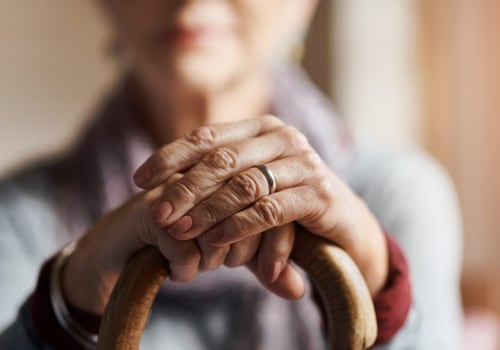
Longevity is a term that encapsulates the idea of living a long, healthy life, free from the debilitating effects of chronic diseases and age-related decline. It is not merely about the number of years one lives but rather the quality of those years. As we delve into the concept of longevity, it becomes evident that it is intricately linked to our lifestyle choices, particularly our physical activity levels. The pursuit of longevity has become a focal point in health and wellness discussions, with many seeking ways to enhance their lifespan while maintaining vitality and well-being.The importance of longevity extends beyond individual health; it has profound implications for society as a whole.
As populations age, understanding how to promote longer, healthier lives can alleviate pressure on healthcare systems and improve the quality of life for older adults. Engaging in regular exercise is one of the most effective strategies for enhancing longevity. Research consistently shows that individuals who maintain an active lifestyle tend to live longer and enjoy better health outcomes compared to their sedentary counterparts.Moreover, the health benefits associated with longevity are numerous and far-reaching. Regular physical activity can reduce the risk of chronic diseases such as heart disease, diabetes, and certain cancers.
It also plays a crucial role in mental health, helping to combat anxiety and depression while improving cognitive function. By prioritising longevity through exercise, individuals can not only extend their lifespan but also enrich their lives with greater energy, mobility, and overall happiness.As we explore various forms of exercise that contribute to longevity, it is essential to recognise that there is no one-size-fits-all approach. Different activities offer unique benefits, and what works for one person may not be suitable for another. Understanding these nuances will empower individuals to make informed choices about their fitness routines, ultimately leading to a longer and more fulfilling life.
The Science Behind Exercise and Longevity
Understanding the relationship between exercise and longevity is a complex yet fascinating area of research.Numerous studies have consistently shown that regular physical activity is a key factor in extending lifespan and improving overall health. The science behind this connection can be attributed to several physiological and psychological mechanisms.One of the most significant findings in longevity studies is the impact of cardiovascular exercise on heart health. Research published in the Journal of the American College of Cardiology indicates that individuals who engage in moderate to vigorous physical activity have a significantly lower risk of cardiovascular diseases, which are among the leading causes of death globally. This reduction in risk is primarily due to improved blood circulation, lower blood pressure, and enhanced cholesterol levels.Moreover, exercise has been shown to influence metabolic health positively.
A study conducted by the National Institutes of Health found that regular physical activity helps regulate insulin sensitivity and glucose metabolism, reducing the risk of type 2 diabetes—a condition closely linked to premature mortality. By maintaining a healthy weight through exercise, individuals can further decrease their risk of developing chronic diseases.In addition to physical benefits, exercise also plays a crucial role in mental health, which is increasingly recognised as a vital component of longevity. Engaging in regular physical activity has been associated with lower levels of anxiety and depression, as well as improved cognitive function. The release of endorphins during exercise contributes to enhanced mood and overall well-being, which can lead to healthier lifestyle choices and social interactions.Furthermore, studies suggest that the type of exercise may also influence longevity outcomes.
For instance, a comprehensive review published in The Lancet highlighted that activities such as walking, cycling, and swimming not only improve cardiovascular fitness but also promote muscle strength and flexibility. These factors are essential for maintaining mobility and independence as one ages.In conclusion, the scientific evidence linking exercise to longevity is robust and multifaceted. Regular physical activity not only enhances physical health by reducing the risk of chronic diseases but also supports mental well-being, creating a holistic approach to living a longer, healthier life. As we continue to explore this vital connection, it becomes increasingly clear that incorporating various forms of exercise into our daily routines is essential for promoting longevity.
Cardiovascular Exercises: The Heart of Longevity
When it comes to enhancing longevity, cardiovascular exercises play a pivotal role in maintaining heart health and overall well-being.Engaging in regular cardiovascular activities not only strengthens the heart but also improves circulation, boosts metabolism, and aids in weight management. Among the various forms of cardiovascular exercise, running, cycling, and swimming stand out as particularly effective options.
Running
is often hailed as one of the most accessible forms of cardiovascular exercise. It requires minimal equipment and can be done almost anywhere. Numerous studies have shown that running can significantly reduce the risk of chronic diseases such as heart disease, diabetes, and certain cancers.
Additionally, running has been linked to improved mental health, reducing symptoms of anxiety and depression. However, it is essential to approach running with caution; individuals with joint issues or injuries should consider lower-impact alternatives.
Cycling
, whether on a stationary bike or outdoors, offers a fantastic alternative to running. It is a low-impact exercise that places less stress on the joints while still providing an excellent cardiovascular workout. Cycling has been associated with increased longevity due to its ability to enhance cardiovascular fitness and lower blood pressure.
Furthermore, it can be easily integrated into daily routines, such as commuting to work or running errands.
Swimming
is another exceptional form of cardiovascular exercise that deserves attention. It engages multiple muscle groups and provides a full-body workout while being gentle on the joints. Swimming has been shown to improve lung capacity and overall endurance, making it an ideal choice for individuals of all ages. Although research on swimming's specific longevity benefits is less extensive than that of running or cycling, its holistic advantages for physical and mental health are undeniable.Ultimately, the best form of cardiovascular exercise for longevity may vary from person to person.
Factors such as personal preference, physical condition, and lifestyle should guide your choice. Incorporating a mix of these activities can provide comprehensive benefits while keeping your routine enjoyable and varied.In conclusion, whether you choose to run, cycle, or swim, the key is consistency. Regular engagement in cardiovascular exercises not only promotes heart health but also contributes significantly to a longer, healthier life.
Strength Training: Building Muscle for a Longer Life
Strength training, often overlooked in favour of cardiovascular exercises, plays a crucial role in promoting muscle health and enhancing longevity, particularly for older adults. As we age, our muscle mass naturally declines, a condition known as sarcopenia.This loss of muscle not only affects physical strength but also impacts overall health, increasing the risk of falls, fractures, and chronic diseases.
Benefits of Strength Training
- Improved Muscle Mass: Engaging in regular resistance training helps to counteract the effects of sarcopenia by stimulating muscle growth and maintenance. This is vital for maintaining mobility and independence as we age.
- Enhanced Metabolic Health: Strength training boosts metabolism by increasing lean muscle mass, which in turn helps to regulate blood sugar levels and improve insulin sensitivity. This can significantly reduce the risk of type 2 diabetes.
- Bone Density: Resistance exercises are beneficial for bone health, as they promote bone density and reduce the risk of osteoporosis. Strong bones are essential for preventing fractures and maintaining a healthy lifestyle.
- Improved Mental Health: Regular strength training has been linked to reduced symptoms of anxiety and depression.
The release of endorphins during exercise can enhance mood and overall mental well-being.
- Functional Strength: Strength training enhances functional strength, making daily activities easier and safer. This is particularly important for older adults who may struggle with tasks such as lifting groceries or climbing stairs.
Resistance Training for Older Adults
For older adults, incorporating strength training into their fitness routine is essential. It is recommended that they engage in resistance exercises at least two days a week. These can include bodyweight exercises, resistance bands, or weights.
It is crucial to start with lighter weights and focus on proper form to prevent injury.Additionally, older adults should consider working with a qualified trainer who can tailor a program to their specific needs and abilities. This personalised approach ensures that they are performing exercises safely while still reaping the benefits of strength training.In conclusion, strength training is a vital component of a longevity-focused exercise regimen. By building and maintaining muscle mass, older adults can enhance their quality of life, reduce the risk of chronic diseases, and ultimately enjoy a longer, healthier life.
Flexibility and Balance: Preventing Injuries as You Age
As we age, maintaining our physical health becomes increasingly important, not just for longevity but also for preserving our quality of life. Two critical components of fitness that often receive less attention than cardiovascular and strength training are flexibility and balance.These elements play a vital role in preventing injuries and ensuring that we can continue to engage in daily activities with ease.
Flexibility exercises
are essential for maintaining the range of motion in our joints. As we grow older, our muscles and connective tissues can become stiffer, leading to decreased mobility and an increased risk of injury. Regular stretching can help counteract this stiffness, promoting better posture and reducing the likelihood of strains and sprains. Simple activities such as yoga or Pilates can be particularly beneficial, as they not only enhance flexibility but also improve core strength and stability.Incorporating flexibility training into your routine doesn’t have to be complicated.
Here are a few effective exercises:
- Seated Hamstring Stretch: Sit on the floor with one leg extended and the other bent. Reach towards your toes on the extended leg, holding the stretch for 15-30 seconds.
- Shoulder Stretch: Bring one arm across your body and use the opposite arm to gently pull it closer to your chest. Hold for 15-30 seconds on each side.
- Cobra Stretch: Lie face down, place your hands under your shoulders, and gently push up, arching your back while keeping your hips on the ground.
Balance training
is equally crucial, especially for seniors. Falls are a leading cause of injury among older adults, often resulting in serious complications.
Engaging in balance exercises can significantly reduce this risk by improving stability and coordination. Activities such as tai chi or simple balance drills can enhance proprioception—the body’s ability to sense its position in space—thereby helping to prevent falls.Here are some effective balance exercises:
- Single-Leg Stand: Stand on one leg while holding onto a chair or countertop for support. Try to hold the position for 10-30 seconds before switching legs.
- Tai Chi: This ancient martial art focuses on slow, controlled movements that improve balance and flexibility.
- Heel-to-Toe Walk: Walk in a straight line placing the heel of one foot directly in front of the toes of the other foot. This exercise challenges your balance and coordination.
Not only do these practices help prevent injuries, but they also promote greater independence as you age. By prioritising these aspects of fitness, you can enhance your longevity while enjoying a more active lifestyle.
The Role of Mind-Body Exercises in Longevity
Mind-body exercises, such as yoga and tai chi , have gained recognition for their profound impact on both mental and physical health, contributing significantly to longevity. These practices not only enhance flexibility and strength but also promote a sense of calm and well-being, which is essential for a long, healthy life.The Benefits of Yoga for Longevity
Yoga is a holistic practice that combines physical postures, breathing techniques, and meditation. Research has shown that regular yoga practice can lead to numerous health benefits:- Improved Flexibility: Enhanced flexibility reduces the risk of injuries and improves overall mobility, which is crucial as we age.
- Stress Reduction: The meditative aspects of yoga help lower cortisol levels, reducing stress and its associated health risks.
- Enhanced Mental Clarity: Regular practice can improve cognitive function, helping to maintain mental acuity into older age.
- Better Sleep Quality: Yoga promotes relaxation, which can lead to improved sleep patterns, essential for recovery and longevity.
The Role of Tai Chi in Promoting Longevity
Tai chi, often described as "meditation in motion," is another mind-body exercise that offers unique benefits:- Balance and Coordination: Practicing tai chi enhances balance, reducing the risk of falls—a significant concern for older adults.
- Cognitive Benefits: Engaging in tai chi has been linked to improved cognitive function and memory retention.
- Cardiovascular Health: The gentle movements promote circulation and can lower blood pressure, contributing to heart health.
- Mental Well-being: Like yoga, tai chi fosters a sense of peace and mindfulness, which can alleviate anxiety and depression.
By nurturing both the body and mind through practices like yoga and tai chi, individuals can enjoy a more balanced life, ultimately leading to a longer lifespan filled with vitality and joy.
Creating a Balanced Exercise Routine for Longevity
Creating a balanced exercise routine is essential for promoting longevity and overall health. A well-rounded approach not only enhances physical fitness but also supports mental well-being, which is crucial as we age. Here are some key components to consider when designing your exercise regimen.- Cardiovascular Exercise: Engaging in aerobic activities such as walking, cycling, or swimming is vital for heart health. Aim for at least 150 minutes of moderate-intensity aerobic exercise each week.
This can be broken down into manageable sessions, such as 30 minutes a day, five days a week.
- Strength Training: Incorporating resistance exercises at least twice a week helps maintain muscle mass and bone density, both of which are critical for longevity. Focus on major muscle groups using free weights, resistance bands, or bodyweight exercises like squats and push-ups.
- Flexibility and Balance: Activities that enhance flexibility and balance, such as yoga or tai chi, are particularly beneficial for older adults. These practices improve mobility and reduce the risk of falls, which can lead to serious injuries.
- Mind-Body Connection: Integrating exercises that promote mindfulness, such as Pilates or meditation-based workouts, can significantly enhance mental health. These practices help reduce stress and improve emotional resilience.
- Set Realistic Goals: Begin with achievable targets that align with your current fitness level.
Gradually increase the intensity and duration of your workouts as you become more comfortable.
- Create a Schedule: Consistency is key. Designate specific days and times for your workouts to establish a routine that fits seamlessly into your lifestyle.
- Listen to Your Body: Pay attention to how your body responds to different types of exercise. If you experience pain or discomfort, adjust your routine accordingly to prevent injury.
- Stay Hydrated and Nourished: Proper hydration and nutrition play a significant role in supporting your exercise efforts. Ensure you consume a balanced diet rich in whole foods to fuel your workouts effectively.
Common Myths About Exercise and Longevity
When it comes to exercise and longevity, numerous myths and misconceptions can cloud our understanding of what truly contributes to a longer, healthier life.Addressing these myths is essential for making informed decisions about fitness and well-being.
Myth 1: You Need to Exercise for Hours Every Day
Many people believe that achieving longevity through exercise requires long hours at the gym. In reality, short bursts of activity can be just as effective. Research indicates that even moderate exercise, such as brisk walking for 30 minutes a day, can significantly improve health outcomes and increase lifespan.Myth 2: Only Intense Workouts Count
Another common misconception is that only high-intensity workouts contribute to longevity. While intense exercise has its benefits, low-impact activities like yoga, swimming, or cycling also play a crucial role in maintaining health as we age.These activities can enhance flexibility, balance, and cardiovascular health without the risk of injury associated with more strenuous workouts.
Myth 3: Older Adults Should Avoid Strength Training
Some believe that strength training is too risky for older adults. However, this is far from the truth. In fact, resistance training is vital for maintaining muscle mass and bone density as we age. It can help prevent falls and improve overall functional ability, making it an essential component of a longevity-focused exercise regimen.Myth 4: Exercise Alone Guarantees Longevity
While regular physical activity is a cornerstone of a healthy lifestyle, it is not the only factor influencing longevity.A balanced diet, adequate sleep, stress management, and social connections are equally important. Therefore, focusing solely on exercise without considering these other aspects may not yield the desired results.
Myth 5: You Can’t Start Exercising Later in Life
A prevalent myth is that starting an exercise routine later in life is futile. On the contrary, studies show that individuals who begin exercising in their later years can still experience significant health benefits. It’s never too late to start moving; even small changes can lead to improved health outcomes.By debunking these myths surrounding exercise and longevity, individuals can make more informed choices about their fitness routines.Understanding the facts allows for a more balanced approach to health that incorporates various forms of activity tailored to personal preferences and capabilities.
FAQs About Exercise and Longevity
As the quest for longevity continues to gain traction, many individuals find themselves asking critical questions about the relationship between exercise and lifespan. Below are some frequently asked questions that can provide clarity on this important topic.What type of exercise is most effective for longevity?
While there is no one-size-fits-all answer, a combination of aerobic exercises, strength training, and flexibility workouts tends to yield the best results. Activities such as cycling, running, and swimming are particularly beneficial for cardiovascular health, which is closely linked to longevity. Additionally, incorporating strength training at least twice a week can help maintain muscle mass and bone density as you age.How often should I exercise to promote longevity?
The general recommendation is to engage in at least 150 minutes of moderate-intensity aerobic activity each week, along with two days of strength training.This can be broken down into manageable sessions, such as 30 minutes a day, five days a week. However, it’s essential to listen to your body and adjust your routine based on your fitness level and any pre-existing conditions.
Is high-intensity exercise necessary for longevity?
While high-intensity workouts can offer significant benefits in a shorter amount of time, they are not strictly necessary for longevity. Moderate-intensity exercises can be just as effective when performed consistently. The key is to find an activity that you enjoy and can sustain over the long term.Can I still benefit from exercise if I have joint issues?
Absolutely! If you have joint concerns, low-impact exercises such as swimming, cycling, or even walking can provide substantial health benefits without putting undue stress on your joints.Always consult with a healthcare professional before starting any new exercise regimen, especially if you have existing health issues.
What role does flexibility training play in longevity?
Flexibility training is often overlooked but plays a crucial role in overall fitness and longevity. Activities like yoga or stretching can improve mobility, reduce the risk of injury, and enhance overall quality of life. Incorporating flexibility exercises into your routine can help maintain functional movement as you age.In summary, understanding the nuances of exercise and its impact on longevity can empower you to make informed decisions about your fitness journey. By addressing these common questions, we hope to provide valuable insights that encourage a more active and healthier lifestyle.Conclusion: Embracing an Active Lifestyle for Longevity
In conclusion, the journey towards enhanced longevity is intricately linked to the choices we make regarding our physical activity.Throughout this article, we have explored various forms of exercise, each contributing uniquely to our overall health and lifespan. From the invigorating benefits of cycling to the heart-healthy advantages of running and the low-impact nature of swimming , it is evident that engaging in regular physical activity is paramount for a longer, healthier life.Moreover, it is essential to recognise that the best type of exercise is not a one-size-fits-all solution. Individual preferences, physical capabilities, and personal goals play a significant role in determining which activities will be most beneficial. For instance, while some may thrive on the adrenaline rush of running, others might find joy and fulfilment in the rhythmic movements of dancing or the serene flow of yoga.
The key is to find an activity that resonates with you and fits seamlessly into your lifestyle.As we have discussed, incorporating a variety of exercises can yield comprehensive benefits. Cardiovascular activities, such as cycling and swimming, not only improve heart health but also enhance endurance and stamina. Meanwhile, strength training exercises are crucial for maintaining muscle mass and bone density as we age. Balancing these elements can lead to a well-rounded fitness regimen that supports longevity.Furthermore, it is vital to listen to your body and adapt your exercise routine as needed.
Engaging in activities that are too strenuous without proper preparation can lead to injuries, which may hinder your ability to stay active in the long run. Therefore, consider starting with moderate exercises and gradually increasing intensity as your fitness level improves.Ultimately, embracing an active lifestyle is about more than just adding years to your life; it’s about adding life to your years. By prioritising physical activity and making informed choices about how you move your body, you can significantly enhance your quality of life. So take that first step today—whether it’s a brisk walk around the block or a leisurely bike ride—and commit to a path that leads not only to longevity but also to vitality and joy.