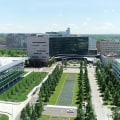
In recent years, the concept of a longevity clinic has emerged as a revolutionary approach to healthcare, focusing on extending not just lifespan but also healthspan—the period of life spent in good health. These clinics are dedicated to providing personalised interventions that aim to slow the aging process and enhance overall well-being. By integrating advanced medical technologies with holistic wellness practices, longevity clinics offer a unique blend of services tailored to individual needs, ensuring high service quality and making them a significant player in the evolving landscape of modern healthcare.At their core, longevity clinics are designed to address the underlying factors contributing to aging and age-related diseases. They employ a multidisciplinary approach, often involving specialists from various fields such as nutrition, genetics, and preventive medicine. has emerged as a revolutionary approach to healthcare, focusing on extending not just lifespan but also healthspan—the period of life spent in good health. These clinics are dedicated to providing personalised interventions that aim to slow the aging process and enhance overall well-being. By integrating advanced medical technologies with holistic wellness practices, longevity clinics offer a unique blend of services tailored to individual needs, ensuring high service quality and making them a significant player in the evolving landscape of modern healthcare.At their core, longevity clinics are designed to address the underlying factors contributing to aging and age-related diseases. They employ a multidisciplinary approach, often involving specialists from various fields such as nutrition, genetics, and preventive medicine. offer a unique blend of services tailored to individual needs, ensuring high service quality and making them a significant player in the evolving landscape of modern healthcare.At their core, longevity clinics are designed to address the underlying factors contributing to aging and age-related diseases. They employ a multidisciplinary approach, often involving specialists from various fields such as nutrition, genetics, and preventive medicine. has emerged as a revolutionary approach to healthcare, focusing on extending not just lifespan but also healthspan—the period of life spent in good health. These clinics are dedicated to providing personalised interventions that aim to slow the aging process and enhance overall well-being. By integrating advanced medical technologies with holistic wellness practices, longevity clinics offer a unique blend of services tailored to individual needs, ensuring high service quality and making them a significant player in the evolving landscape of modern healthcare.At their core, longevity clinics are designed to address the underlying factors contributing to aging and age-related diseases. They employ a multidisciplinary approach, often involving specialists from various fields such as nutrition, genetics, and preventive medicine.
The primary purpose of these clinics is to empower individuals with knowledge and tools that promote healthier lifestyles, thereby reducing the risk of chronic illnesses and enhancing quality of life. This proactive stance on health management is increasingly appealing to those who wish to take control of their aging process.The significance of longevity clinics extends beyond mere health optimisation; they represent a cultural shift towards valuing preventive care over reactive treatment. As society becomes more aware of the impact of lifestyle choices on health outcomes, the demand for personalised healthcare solutions continues to rise. Longevity clinics not only cater to this demand but also serve as educational hubs where clients can learn about the latest advancements in health science and how these can be applied to their daily lives.In summary, longevity clinics are redefining what it means to age gracefully in today’s world.
By offering cutting-edge treatments and personalised care plans, they are at the forefront of a movement that prioritises health and longevity, making them an essential component of contemporary healthcare.
The Growing Demand for Longevity Clinics
The demand for longevity clinics has surged in recent years, driven by a confluence of societal trends, heightened health awareness, and remarkable advancements in medical technology. As individuals increasingly seek ways to enhance their quality of life and extend their lifespan, these clinics have emerged as pivotal players in the healthcare landscape.One of the primary factors contributing to the growing popularity of longevity clinics is the shift in societal attitudes towards aging. Traditionally, aging was often viewed as a decline in health and vitality. However, contemporary perspectives embrace the idea that aging can be managed and even optimised through proactive health measures.This cultural shift has led to a greater acceptance of preventive healthcare practices, with many individuals actively seeking out services that promise to enhance their longevity.Moreover, the rise of health consciousness among consumers cannot be overlooked. With an abundance of information available at our fingertips, people are more informed than ever about the impact of lifestyle choices on their health. This awareness has prompted a significant number of individuals to prioritise their well-being, leading them to explore innovative solutions offered by longevity clinics. From personalised nutrition plans to advanced genetic testing, these clinics provide tailored interventions that resonate with health-conscious consumers.Advancements in medical technology also play a crucial role in the increasing demand for longevity clinics.
Breakthroughs in fields such as genomics, regenerative medicine, and biotechnology have opened new avenues for understanding and combating the aging process. For instance, therapies that target cellular repair and regeneration are becoming more accessible, allowing clinics to offer cutting-edge treatments that were once confined to research laboratories.Furthermore, the integration of artificial intelligence and data analytics into healthcare has enabled longevity clinics to provide more precise and personalised care. By leveraging data from various sources, these clinics can develop customised treatment plans that cater specifically to an individual’s unique genetic makeup and lifestyle factors.In summary, the growing demand for longevity clinics is a multifaceted phenomenon influenced by changing societal attitudes towards aging, increased health awareness among consumers, and significant advancements in medical technology. As these factors continue to evolve, it is likely that the market for longevity clinics will expand further, offering innovative solutions for those seeking to enhance their healthspan and lifespan.
Personalized Interventions Offered by Longevity Clinics
Longevity clinics are at the forefront of a healthcare revolution, offering a range of personalized interventionspersonalized interventions designed to enhance health and extend lifespan.These clinics leverage cutting-edge therapies that are tailored to the individual needs of each patient, ensuring that treatments are not only effective but also aligned with their unique health profiles.One of the most significant aspects of longevity clinics is their focus on preventive care. Rather than merely treating existing conditions, these facilities aim to identify potential health risks before they manifest. This proactive approach often includes:
- Genetic Testing: By analysing a patient’s genetic makeup, clinics can predict susceptibility to certain diseases and tailor interventions accordingly.
- Comprehensive Health Assessments: Detailed evaluations that encompass physical exams, blood tests, and lifestyle assessments help in creating a holistic view of a patient’s health.
- Personalized Nutrition Plans: Based on individual health data, nutritionists at these clinics develop bespoke dietary plans that promote optimal health and longevity.
- Stem Cell Therapy: This revolutionary treatment harnesses the body’s own stem cells to repair damaged tissues and rejuvenate organs.
- Hormone Replacement Therapy (HRT): Tailored hormone treatments can help balance hormonal levels, alleviating symptoms associated with aging such as fatigue and decreased libido.
- NAD+ Therapy: This therapy focuses on replenishing levels of nicotinamide adenine dinucleotide (NAD+), a coenzyme that plays a crucial role in energy metabolism and cellular repair.
Patients often report increased energy levels, improved mental clarity, and enhanced overall well-being. Furthermore, by addressing the root causes of aging rather than just the symptoms, longevity clinics empower individuals to take control of their health in a way that traditional healthcare models often do not.As the demand for personalized healthcare continues to rise, longevity clinics are poised to play an increasingly vital role in shaping the future of wellness. Their commitment to innovation and individualized care not only meets the needs of today’s health-conscious consumers but also sets a new standard for what healthcare can achieve in the realm of longevity.
The Role of Technology in Longevity Clinics
In the rapidly evolving landscape of healthcare, technology plays a pivotal role in shaping the future of longevity clinics. These facilities are increasingly leveraging advanced technologies to enhance patient care, streamline operations, and deliver personalised interventions that cater to individual health needs.One of the most significant advancements in this realm is the integration of artificial intelligence (AI).AI algorithms are being employed to analyse vast amounts of health data, enabling clinicians to identify patterns and predict health outcomes with remarkable accuracy. For instance, AI can assist in assessing genetic predispositions to certain diseases, allowing for tailored preventive measures that can significantly extend a patient’s lifespan.Moreover, AI-driven tools facilitate the development of personalised treatment plans by considering a patient’s unique health profile, lifestyle choices, and even environmental factors. This level of customisation is crucial in longevity clinics, where the focus is on optimising health and well-being rather than merely treating symptoms.Another transformative technology is data analytics. By harnessing big data, longevity clinics can track patient progress over time and adjust treatment protocols accordingly.
This continuous feedback loop not only enhances the effectiveness of interventions but also empowers patients to take an active role in their health journey. For example, wearable devices that monitor vital signs and activity levels provide real-time data that can be analysed to make informed decisions about lifestyle changes or medical interventions.
Telemedicine
has also emerged as a game-changer in the longevity clinic model. With the ability to conduct virtual consultations, clinics can reach a broader audience and provide ongoing support to patients regardless of their geographical location. This accessibility ensures that individuals seeking longevity solutions can receive expert guidance without the barriers of travel or time constraints.Furthermore, telemedicine platforms often incorporate AI chatbots that can answer patient queries and provide information on wellness practices, thereby enhancing patient engagement and education.
This not only improves adherence to treatment plans but also fosters a sense of community among patients who share similar goals.In conclusion, the role of technology in longevity clinics cannot be overstated. From AI and data analytics to telemedicine, these innovations are revolutionising how healthcare is delivered, making it more personalised, efficient, and accessible. As technology continues to advance, we can expect longevity clinics to further refine their approaches, ultimately leading to improved health outcomes and extended lifespans for their patients.
Membership Models and Accessibility of Longevity Clinics
The membership model adopted by many longevity clinics has become a defining characteristic of their operations, significantly influencing both the cost and accessibility of their services. This model typically requires patients to pay an annual fee, which can range from several thousand to tens of thousands of pounds.This fee often grants members access to a suite of exclusive services, including personalised health assessments, advanced diagnostic testing, and bespoke treatment plans tailored to individual health goals.One of the primary advantages of this membership approach is the emphasis on personalised care. Members benefit from a dedicated team of healthcare professionals who are focused on their long-term health and wellness. This level of attention is often not feasible in traditional healthcare settings, where time constraints can limit the depth of patient-provider interactions.However, the high costs associated with these memberships raise significant accessibility issues. The financial barrier means that only a select group of individuals—typically those with substantial disposable income—can afford to engage with these clinics.
This exclusivity can lead to a disparity in health outcomes, as wealthier individuals gain access to cutting-edge treatments and preventative measures that are unavailable to the broader population.Moreover, while some clinics offer tiered membership options that may provide varying levels of access at different price points, these still often remain out of reach for many. The challenge lies in balancing the need for high-quality, personalised healthcare with the imperative to make such services available to a wider audience.As the demand for longevity interventions continues to grow, there is an increasing call for longevity clinics to explore alternative models that could enhance accessibility. Potential solutions could include:
- Sliding Scale Fees: Implementing a pricing structure based on income could allow more individuals to access these services.
- Partnerships with Insurance Providers: Collaborating with insurance companies to cover certain aspects of longevity treatments could alleviate some financial burdens.
- Community Outreach Programs: Establishing initiatives aimed at educating and providing basic longevity services to underserved populations could help bridge the gap.
Global Trends in Longevity Clinics
The phenomenon of longevity clinics is not confined to the United States; it has gained significant traction across the globe, reflecting a universal desire for health optimisation and extended lifespan. is not confined to the United States; it has gained significant traction across the globe, reflecting a universal desire for health optimisation and extended lifespan.As individuals become increasingly aware of the potential for personalised healthcare, these clinics are emerging as pivotal players in the wellness industry.In Europe, countries like Germany and Switzerland are at the forefront of this trend. For instance, the Swiss Longevity Clinic in Zurich offers a comprehensive range of services, including advanced genetic testing and tailored nutritional plans. Their approach combines cutting-edge technology with holistic practices, ensuring that clients receive a well-rounded experience aimed at enhancing both physical and mental well-being.Meanwhile, in Germany, the Max Planck Institute for Biology of Ageing collaborates with various longevity clinics to provide research-backed interventions. This partnership allows patients access to innovative therapies that are still in clinical trials, showcasing how these clinics can serve as bridges between research and practical application.Asia is also witnessing a surge in the popularity of longevity clinics.
In Japan , where the population has one of the highest life expectancies globally, clinics such as Keio University Hospital's Longevity Centre focus on preventative care and lifestyle management. They offer programmes that include traditional Japanese medicine alongside modern medical practices, catering to a diverse clientele seeking longevity solutions.The rise of these clinics is driven by several factors:
- Increased Awareness: As more people become informed about health risks associated with aging, there is a growing demand for services that promise to mitigate these risks.
- Cultural Shifts: In many cultures, particularly in Asia, there is a deep-rooted respect for elders and a desire to maintain vitality into old age.
- Technological Advancements: Innovations in medical technology have made it possible to offer more effective treatments that were previously unavailable.
Ethical Considerations Surrounding Longevity Clinics
The emergence of longevity clinics has sparked a significant debate surrounding the ethical implications of their practices. As these facilities offer advanced treatments aimed at extending life expectancy, several ethical considerations arise, particularly regarding accessibility, efficacy, and the potential for exploitation.One of the primary concerns is the issue of accessibility.Many longevity clinics operate on a membership basis, often charging exorbitant fees that can range from thousands to hundreds of thousands of pounds annually. This exclusivity raises questions about equity in healthcare. Are these clinics only catering to the wealthy, thereby widening the gap between socioeconomic classes? The disparity in access to such potentially life-enhancing treatments could lead to a society where only the affluent can afford to pursue longevity, leaving lower-income individuals without options for improving their health and lifespan.Moreover, the efficacy of treatments offered by longevity clinics is another critical ethical consideration. While many clinics promote cutting-edge therapies and personalised interventions, the scientific validation of these treatments can be questionable.
Some procedures may lack rigorous clinical trials or peer-reviewed studies to support their claims. This raises concerns about whether patients are being adequately informed about the risks and benefits associated with these interventions. Informed consent is paramount in healthcare; thus, patients must be fully aware of the uncertainties surrounding these treatments before making decisions.Additionally, there is a risk of exploitation. The desire for longevity can lead individuals to seek out unproven or experimental therapies that may not only be ineffective but could also pose significant health risks.
Vulnerable populations, particularly those facing chronic illnesses or age-related conditions, may be more susceptible to marketing tactics employed by these clinics. This exploitation can manifest in various forms, from misleading advertising to pressure tactics that encourage patients to undergo unnecessary procedures.In conclusion, while longevity clinics offer promising advancements in health and wellness, it is essential to navigate the ethical landscape carefully. Addressing issues of accessibility, ensuring treatment efficacy, and protecting patients from exploitation are crucial steps in fostering a responsible approach to longevity interventions. As this sector continues to grow, ongoing dialogue among healthcare professionals, ethicists, and policymakers will be vital in shaping a future where longevity treatments are both effective and equitable.
Future Prospects for Longevity Clinics
The future of longevity clinics appears promising, driven by rapid advancements in technology and a growing societal focus on health and wellness.As the demand for personalised healthcare solutions continues to rise, these clinics are poised to evolve significantly, offering innovative treatments that cater to the unique needs of individuals seeking to enhance their longevity.One of the most exciting prospects for longevity clinics is the integration of artificial intelligence (AI) and machine learning into their services. These technologies can analyse vast amounts of health data, enabling practitioners to create highly tailored treatment plans. For instance, AI algorithms could predict an individual’s risk of age-related diseases based on genetic information, lifestyle choices, and environmental factors. This predictive capability would allow for proactive interventions, potentially preventing health issues before they arise.Moreover, advancements in genomics and biotechnology are likely to play a crucial role in shaping the future landscape of longevity clinics.
With the decreasing cost of genetic sequencing, more individuals will have access to their genetic information. This data can be used to develop personalised therapies that target specific genetic markers associated with aging. For example, therapies that focus on telomere lengthening or cellular regeneration could become commonplace in these clinics.In addition to technological innovations, we can expect a shift in consumer attitudes towards preventive healthcare. As awareness grows regarding the importance of maintaining health rather than merely treating illness, longevity clinics will likely expand their offerings to include comprehensive wellness programmes.
These programmes may encompass nutritional guidance, fitness regimens, and mental health support, all designed to promote a holistic approach to healthy aging.Furthermore, as the global population ages, there will be an increasing need for longevity clinics not just in affluent areas but also in underserved regions. This expansion could lead to a more diverse range of services being offered at varying price points, making longevity interventions accessible to a broader audience.In conclusion, the future of longevity clinics is bright and full of potential. With ongoing innovations in technology and a shift towards preventive care, these clinics are set to become integral players in the healthcare landscape. As they adapt to meet the evolving needs of society, we can anticipate a new era of personalised health interventions that empower individuals to take control of their aging process.These programmes may encompass nutritional guidance, fitness regimens, and mental health support, all designed to promote a holistic approach to healthy aging.Furthermore, as the global population ages, there will be an increasing need for longevity clinics not just in affluent areas but also in underserved regions. This expansion could lead to a more diverse range of services being offered at varying price points, making longevity interventions accessible to a broader audience.In conclusion, the future of longevity clinics is bright and full of potential. With ongoing innovations in technology and a shift towards preventive care, these clinics are set to become integral players in the healthcare landscape. As they adapt to meet the evolving needs of society, we can anticipate a new era of personalised health interventions that empower individuals to take control of their aging process.
Conclusion: The Impact of Longevity Clinics on Healthcare
In summary, the emergence of longevity clinics marks a significant shift in the landscape of modern healthcare, reflecting a growing societal emphasis on health optimisation and lifespan extension.These clinics are not merely a trend; they represent a profound transformation in how individuals approach their health and well-being.Throughout this exploration, we have seen that the rise of longevity clinics is driven by several key factors:
- Personalisation of Care: Unlike traditional healthcare models, longevity clinics offer tailored interventions that cater to the unique needs of each individual. This personalised approach is increasingly appealing to patients who seek more than just standard treatments.
- Preventive Health Focus: The emphasis on preventive care is reshaping patient expectations. By prioritising prevention over treatment, longevity clinics encourage individuals to take proactive steps towards maintaining their health, thereby reducing the incidence of chronic diseases.
- Technological Advancements: The integration of cutting-edge technology and scientific research into treatment protocols enhances the efficacy of interventions. Patients are drawn to clinics that utilise the latest advancements in medicine and biotechnology.
- Global Reach: The popularity of longevity clinics extends beyond borders, with notable establishments emerging in Europe and Asia.
This global phenomenon underscores a universal desire for improved health outcomes and longevity.
As we move forward, it will be essential for both patients and healthcare providers to embrace this new paradigm, fostering a future where optimal health is accessible to all.