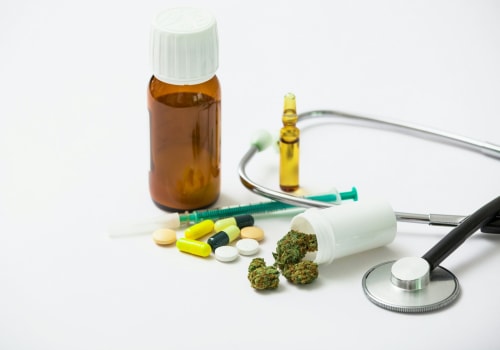
Rapamycin, also known as sirolimus , is a compound that has garnered significant attention in the medical community for its diverse applications. Originally discovered in the 1970s as an antifungal agent derived from the bacterium Streptomyces hygroscopicus, its potential was soon recognised beyond treating fungal infections. Researchers found that rapamycin possesses powerful immunosuppressive properties, making it invaluable in organ transplantation and the management of certain cancers. However, its recent emergence in the realm of longevity clinics has sparked both excitement and concern.In longevity clinics, rapamycin is often touted for its ability to extend lifespan and promote healthy ageing.
The drug works by inhibiting the mechanistic target of rapamycin (mTOR), a protein complex that plays a crucial role in regulating cell growth, metabolism, and autophagy. By modulating these processes, rapamycin has shown promise in delaying age-related diseases and enhancing overall vitality. This has led to a growing interest among those seeking to optimise their health and longevity through innovative therapies.Despite its potential benefits, it is essential to approach rapamycin with caution. The drug's mechanism of action, while beneficial in some contexts, can also lead to significant side effects.
For instance, its immunosuppressive nature can increase susceptibility to infections, while its impact on metabolic pathways may contribute to insulin resistance and other metabolic disorders. As such, understanding both the advantages and risks associated with rapamycin is crucial for anyone considering its use in a For instance, its immunosuppressive nature can increase susceptibility to infections, while its impact on metabolic pathways may contribute to insulin resistance and other metabolic disorders. As such, understanding both the advantages and risks associated with rapamycin is crucial for anyone considering its use in a longevity clinic.For instance, its immunosuppressive nature can increase susceptibility to infections, while its impact on metabolic pathways may contribute to insulin resistance and other metabolic disorders. As such, understanding both the advantages and risks associated with rapamycin is crucial for anyone considering its use in a longevity clinic.
The Mechanism of Action: How Rapamycin Works
To fully understand the implications of rapamycin in medical treatments, it is essential to explore its mechanism of action , particularly its interaction with the mTOR pathway. Rapamycin, or sirolimus, primarily functions by inhibiting a protein complex known as mTORC1 (mechanistic target of rapamycin complex 1). This complex plays a pivotal role in regulating cellular growth, proliferation, and survival in response to nutrients, growth factors, and cellular energy levels.The mTOR pathway is crucial for various biological processes, including:- Protein synthesis: mTORC1 promotes the translation of mRNA into proteins, which are vital for cell growth and function.
- Cellular metabolism: It helps regulate how cells utilize nutrients and energy, influencing metabolic pathways.
- Autophagy: mTORC1 inhibits autophagy, a process where cells degrade and recycle components, which is essential for maintaining cellular health.
This can be beneficial in contexts such as cancer treatment, where uncontrolled cell growth is a significant concern. However, the inhibition of mTORC1 also leads to several unintended consequences. For instance, while it may prevent the proliferation of cancer cells, it can also impair normal cellular functions and healing processes.Moreover, rapamycin's action on the mTOR pathway does not stop at mTORC1. It also affects another complex known as mTORC2. While mTORC2 is less understood than its counterpart, it is known to play a role in regulating insulin signalling and glucose metabolism. Inhibition of this complex can lead to insulin resistance, which may contribute to metabolic disorders such as type 2 diabetes.The dual inhibition of both mTOR complexes illustrates why rapamycin can have both therapeutic benefits and adverse effects.
Understanding this balance is crucial for patients considering treatment options involving rapamycin. It highlights the importance of monitoring and managing potential side effects while harnessing its therapeutic potential.In summary, the mechanism of action of rapamycin through the mTOR pathway underscores its complexity. While it offers promising avenues for treating various conditions, including cancer and age-related diseases, it also poses significant risks that must be carefully weighed against its benefits.
Potential Benefits of Rapamycin in Longevity Clinics
In recent years, longevity clinics have begun to explore the potential benefits of rapamycin, a drug originally developed for its antifungal properties but now recognised for its promising role in promoting longevity and enhancing overall health. Advocates of rapamycin highlight its anti-aging properties and its ability to mitigate various age-related health conditions.One of the most significant claims surrounding rapamycin is its capacity to extend lifespan.Research conducted on animal models has shown that rapamycin can increase lifespan by delaying the onset of age-related diseases. This is primarily attributed to its mechanism of action, which involves the inhibition of the mTOR pathway, a critical regulator of cell growth and metabolism. By modulating this pathway, rapamycin may help to promote cellular repair and regeneration, thereby contributing to longevity.Moreover, rapamycin has been associated with improved metabolic health. Studies suggest that it can enhance insulin sensitivity and reduce the risk of developing metabolic disorders such as type 2 diabetes.
This is particularly relevant in longevity clinics, where maintaining optimal metabolic function is crucial for healthy aging.Another area where rapamycin shows promise is in its potential to combat age-related diseases. For instance, it has been studied for its effects on neurodegenerative conditions like Alzheimer’s disease. Preliminary findings indicate that rapamycin may help to reduce the accumulation of toxic proteins in the brain, which are often linked to cognitive decline.Furthermore, rapamycin's immunosuppressive properties can be beneficial in certain contexts. While this aspect raises concerns regarding increased infection risk, it can also be advantageous for individuals with autoimmune disorders or those undergoing organ transplants, as it helps prevent organ rejection.In summary, while the potential benefits of rapamycin in longevity clinics are compelling, it is essential for individuals considering this treatment to consult with healthcare professionals.
A thorough understanding of both the advantages and risks associated with rapamycin will ensure informed decision-making regarding its use in promoting health and longevity.
The Hidden Dangers: Side Effects of Rapamycin
While rapamycin has garnered attention for its potential benefits in various medical treatments, it is crucial to understand the serious side effects that accompany its use. One of the most significant concerns is its ability to suppress the immune system, which can lead to a range of health complications.Immune Suppression
Rapamycin works by inhibiting the mTOR pathway, a critical regulator of cell growth and metabolism. This inhibition can be beneficial in preventing organ rejection in transplant patients; however, for otherwise healthy individuals, it poses a substantial risk. The suppression of the immune response can make patients more susceptible to infections, including bacterial, viral, and fungal pathogens.
In severe cases, this can result in life-threatening conditions such as sepsis.Moreover, the long-term effects of immune suppression are not fully understood. Patients may experience recurrent infections or develop chronic conditions that could significantly impact their quality of life.
Wound Healing Complications
Another notable side effect of rapamycin is its impact on wound healing. The drug's mechanism of action interferes with cellular processes essential for tissue repair. As a result, individuals taking rapamycin may find that their wounds heal more slowly than expected.
This delayed healing can lead to complications such as infections or chronic wounds, particularly in surgical patients.
Metabolic Effects
In addition to immune suppression and impaired wound healing, rapamycin has been linked to metabolic disturbances. Some studies suggest that it may contribute to insulin resistance, which can increase the risk of developing type 2 diabetes. This effect arises from the drug's inhibition of mTORC2, a complex involved in insulin signalling and glucose metabolism.The implications of these metabolic changes are significant, as they can lead to weight gain, elevated cholesterol levels, and other cardiovascular risks. Patients considering rapamycin should be aware of these potential outcomes and discuss them thoroughly with their healthcare provider.
Conclusion
In summary, while rapamycin may offer therapeutic benefits for certain conditions, it is essential for patients to be fully informed about its hidden dangers.
The risks associated with immune suppression, wound healing complications, and metabolic effects necessitate careful consideration and monitoring by healthcare professionals. Before starting treatment with rapamycin, individuals should engage in an open dialogue with their doctors to weigh the potential benefits against these serious risks.
Long-Term Implications of Rapamycin Use
As the interest in rapamycin continues to grow, particularly within the context of longevity clinics, it is essential to consider the long-term implications of its use. While this medication has shown promise in various therapeutic areas, its chronic use may lead to a range of health issues that warrant careful consideration.One of the most significant concerns regarding long-term rapamycin use is its impact on the immune system. Chronic suppression of immune function can leave individuals vulnerable to infections, which may not only be more frequent but also more severe.This is particularly concerning for those who are otherwise healthy and may not have underlying conditions that would typically warrant such immunosuppression.Moreover, prolonged use of rapamycin has been associated with metabolic disturbances. Research indicates that it can lead to insulin resistance, which may increase the risk of developing type 2 diabetes. This effect arises from rapamycin's inhibition of mTORC2, a complex involved in insulin signalling. As a result, patients may experience fluctuations in blood sugar levels, which can have cascading effects on overall health.Another potential long-term effect is related to cardiovascular health.
Some studies suggest that rapamycin can elevate cholesterol levels, particularly low-density lipoprotein (LDL) cholesterol, which is often referred to as "bad" cholesterol. Elevated LDL levels are a known risk factor for cardiovascular diseases, including heart attacks and strokes. Therefore, individuals considering or currently using rapamycin should be vigilant about monitoring their lipid profiles.Additionally, there are concerns regarding wound healing. The inhibition of the mTOR pathway can slow down cellular repair processes, leading to complications in recovery from injuries or surgeries.
This is particularly relevant for older adults or those undergoing procedures where optimal healing is crucial.In summary, while rapamycin may offer benefits in certain contexts, its long-term use carries potential risks that cannot be overlooked. Individuals considering treatment at a longevity clinic should engage in thorough discussions with healthcare professionals about these implications and ensure regular monitoring of their health status to mitigate any adverse effects.
Comparative Analysis: Rapamycin vs. Other Longevity Treatments
As the quest for longevity continues to gain traction, many individuals are exploring various treatments available at longevity clinics. Among these, rapamycin has emerged as a prominent option, but it is essential to compare it with other therapies to make informed decisions about health and wellness.Rapamycin
is often lauded for its potential to extend lifespan and improve healthspan by inhibiting the mTOR pathway.
However, it is not the only player in the field of longevity treatments. Other options include:
- Metformin: Originally developed as a diabetes medication, metformin has shown promise in promoting longevity by improving insulin sensitivity and reducing inflammation. Studies suggest that it may lower the risk of age-related diseases.
- NAD+ Precursors: Compounds like nicotinamide riboside (NR) and nicotinamide mononucleotide (NMN) are gaining popularity for their role in boosting cellular energy and promoting DNA repair. These precursors aim to enhance mitochondrial function, which tends to decline with age.
- Senolytics: This emerging class of drugs targets senescent cells—cells that have stopped dividing but remain metabolically active.
By clearing these cells, senolytics may help reduce inflammation and improve tissue function.
- Hormone Replacement Therapy (HRT): HRT aims to restore hormonal balance as individuals age. Treatments may include testosterone for men or estrogen and progesterone for women, potentially alleviating symptoms associated with hormonal decline.
- Efficacy: While rapamycin has demonstrated significant effects on lifespan extension in animal studies, the long-term effects on humans are still under investigation. In contrast, metformin has a more established safety profile due to its extensive use in diabetes management.
- Side Effects: Rapamycin's immunosuppressive properties can lead to increased susceptibility to infections, whereas metformin is generally well-tolerated with fewer severe side effects. Understanding the risk-benefit ratio is crucial when considering these treatments.
- Accessibility: Some treatments may be more readily available than others.
For instance, metformin is widely prescribed, while rapamycin may require specific medical oversight due to its potential complications.
Consultation and Monitoring: Best Practices for Patients
When considering the use of rapamycin, it is essential for patients to engage in thorough consultation with healthcare professionals. This medication, while promising in its potential benefits, carries significant risks that necessitate careful oversight. A well-informed discussion with a doctor can help clarify the appropriateness of rapamycin for individual health needs and conditions.During the initial consultation, patients should be prepared to discuss their complete medical history, including any pre-existing conditions and current medications.This information is crucial as it allows healthcare providers to assess potential interactions and contraindications associated with rapamycin.
Establishing a Monitoring Plan
Once a decision has been made to proceed with rapamycin treatment, establishing a robust monitoring plan is vital. Regular follow-up appointments should be scheduled to evaluate the patient's response to the medication and to monitor for any adverse effects. These appointments typically include:- Blood Tests: Routine blood tests are essential to check kidney function, liver enzymes, and lipid levels, as rapamycin can affect these parameters.
- Immune Function Assessment: Given rapamycin's immunosuppressive properties, monitoring for signs of infection or other immune-related issues is critical.
- Glucose Levels: Since rapamycin can influence insulin sensitivity, regular checks on blood sugar levels can help in early detection of potential diabetes.
Prompt reporting can facilitate timely interventions and adjustments to the treatment plan.
Best Practices for Safety
To enhance safety while using rapamycin, patients should adhere to the following best practices:- Adhere to Prescribed Dosage: Always take rapamycin exactly as prescribed by your healthcare provider. Do not adjust the dosage without consulting your doctor.
- Avoid Self-Medication: Refrain from taking over-the-counter medications or supplements without prior approval from your healthcare provider, as these may interact with rapamycin.
- Maintain Open Communication: Keep an open line of communication with your healthcare team. Discuss any concerns or changes in your health status promptly.
- Educate Yourself: Take the initiative to learn about rapamycin and its effects. Understanding the medication can empower you to make informed decisions about your health.
By prioritising consultation and ongoing monitoring, patients can mitigate risks and enhance their overall safety during treatment.
Frequently Asked Questions About Rapamycin and Longevity Clinics
As interest in rapamycin grows, particularly within the context of longevity clinics, many individuals have questions about its safety, efficacy, and overall role in promoting healthspan. Below are some frequently asked questions that can help clarify common concerns.What is rapamycin and how does it work?
Rapamycin, also known as sirolimus, is a drug that inhibits the mTOR (mechanistic target of rapamycin) pathway, which plays a crucial role in regulating cell growth, metabolism, and immune response. By modulating this pathway, rapamycin has been shown to extend lifespan in various animal models and is being explored for its potential anti-aging effects in humans.Is rapamycin safe for healthy individuals?
While rapamycin has demonstrated benefits in specific medical contexts, its use in otherwise healthy individuals raises concerns. The drug can suppress the immune system, leading to increased susceptibility to infections.Therefore, it is essential to consult with a healthcare professional before considering rapamycin as a longevity treatment.
What are the potential side effects of rapamycin?
- Immune suppression: This can increase the risk of infections.
- Delayed wound healing: Rapamycin may slow down the body's ability to repair itself.
- Metabolic changes: Some users report insulin resistance and elevated cholesterol levels.
- Gastrointestinal issues: Nausea and diarrhea are also reported side effects.
How is rapamycin administered in longevity clinics?
In longevity clinics, rapamycin may be administered under strict medical supervision. Dosage and frequency can vary based on individual health profiles and treatment goals. Clinics often conduct thorough assessments to determine if rapamycin is appropriate for each patient.Can rapamycin be combined with other treatments?
Some longevity clinics may offer a combination of therapies alongside rapamycin, such as lifestyle modifications, dietary changes, and other supplements aimed at enhancing overall health. However, it is crucial to discuss any potential interactions with your healthcare provider.What should I consider before starting rapamycin?
If you are contemplating the use of rapamycin for longevity purposes, consider the following:- Your current health status and any pre-existing conditions.
- The potential risks versus benefits as discussed with your doctor.
- The importance of ongoing monitoring for side effects during treatment.
Conclusion: Weighing the Risks and Benefits of Rapamycin
In conclusion, the use of rapamycin in longevity clinics presents a complex interplay of potential benefits and significant risks.As we have explored throughout this article, while rapamycin has garnered attention for its promising effects on lifespan extension and its ability to combat various diseases, it is crucial to approach its use with caution.One of the primary advantages of rapamycin is its ability to inhibit the mTOR pathway, which plays a vital role in cellular growth and metabolism. This inhibition can lead to a reduction in the proliferation of cancer cells and may enhance overall healthspan. However, these benefits must be weighed against the serious side effects that can arise from its immunosuppressive properties.Among the most concerning risks associated with rapamycin is its potential to compromise the immune system. For individuals who are otherwise healthy, this suppression can increase susceptibility to infections, which may lead to severe complications such as sepsis.
Furthermore, the drug's impact on wound healing can pose additional challenges for those undergoing surgical procedures or recovering from injuries.Additionally, the link between rapamycin and metabolic disturbances, such as insulin resistance and elevated cholesterol levels, raises further questions about its long-term safety. The possibility of developing type 2 diabetes as a result of treatment is a significant concern that cannot be overlooked.Ultimately, individuals considering rapamycin as part of their longevity regimen should engage in thorough discussions with healthcare professionals. It is essential to evaluate personal health conditions, potential drug interactions, and lifestyle factors that may influence treatment outcomes. Regular monitoring for side effects and adjustments to dosage may also be necessary to mitigate risks.In summary, while rapamycin holds promise as a tool for enhancing longevity and combating age-related diseases, understanding its hidden dangers is paramount.
A balanced approach that considers both the therapeutic benefits and the potential adverse effects will empower patients to make informed decisions about their health in longevity clinics.