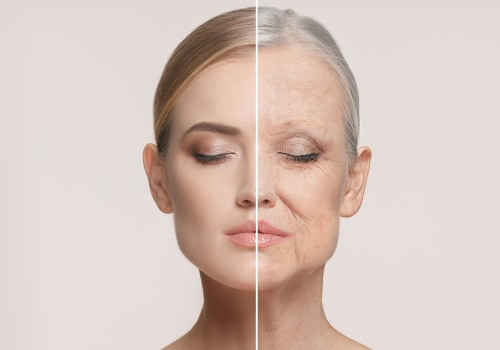
Longevity, often defined as the length of an individual's life, encompasses not just the number of years lived but also the quality of those years. In recent times, the concept has gained significant traction, particularly in the realms of health and wellness. Understanding longevity is crucial as it influences how we approach our daily habits, lifestyle choices, and healthcare decisions. The quest for a longer life is not merely about extending our time on Earth; it is about enhancing our overall well-being and ensuring that our later years are filled with vitality and purpose.The importance of longevity extends beyond personal health; it has profound implications for society as a whole.
As populations age, the demand for healthcare services increases, necessitating a shift in how we view aging and health management. Emphasising longevity encourages individuals to adopt healthier lifestyles, which can lead to reduced healthcare costs and improved quality of life for all age groups. This shift in perspective is where longevity clinics come into play, offering tailored programmes designed to promote not only a longer life but also a more fulfilling one.Longevity clinics focus on a holistic approach to health, integrating various aspects of wellness including nutrition, physical activity, mental health, and preventive care. By addressing these interconnected elements, these clinics aim to empower individuals to take charge of their health and make informed choices that can significantly impact their lifespan. As populations age, the demand for healthcare services increases, necessitating a shift in how we view aging and health management. Emphasising longevity encourages individuals to adopt healthier lifestyles, which can lead to reduced healthcare costs and improved quality of life for all age groups. This shift in perspective is where longevity clinics come into play, offering tailored programmes designed to promote not only a longer life but also a more fulfilling one.Longevity clinics focus on a holistic approach to health, integrating various aspects of wellness including nutrition, physical activity, mental health, and preventive care. By addressing these interconnected elements, these clinics aim to empower individuals to take charge of their health and make informed choices that can significantly impact their lifespan.
The benefits of engaging with a longevity clinic are manifold; from personalised health assessments to innovative treatments that target age-related decline, these facilities are at the forefront of promoting a lifestyle that prioritises longevity.
What Are Longevity Clinics?
Longevity clinics are specialised healthcare facilities that focus on promoting long-term health and extending lifespan through a combination of advanced medical practices, lifestyle modifications, and personalised wellness strategies. These clinics aim to address the underlying factors that contribute to aging and age-related diseases, offering a holistic approach to health that goes beyond traditional medical care.At the core of a longevity clinic's mission is the belief that proactive health management can significantly enhance quality of life as individuals age. By integrating cutting-edge research with practical applications, these clinics provide tailored programmes designed to optimise physical, mental, and emotional well-being.Services Offered by Longevity Clinics
Longevity clinics typically offer a wide range of services aimed at improving overall health and longevity. Some of the key services include:- Comprehensive Health Assessments: Detailed evaluations that assess an individual's current health status, including genetic testing, blood work, and lifestyle assessments.
- Nutritional Guidance: Personalised dietary plans that focus on nutrient-dense foods, often emphasising plant-based diets rich in antioxidants and anti-inflammatory properties.
- Exercise Programmes: Tailored fitness regimens designed to improve cardiovascular health, strength, flexibility, and balance.
- Stress Management Techniques: Strategies such as mindfulness meditation, yoga, and cognitive behavioural therapy to reduce stress and enhance mental resilience.
- Hormonal Balancing: Treatments aimed at optimising hormone levels through bioidentical hormone replacement therapy or other methods.
- Preventative Health Screenings: Regular screenings for early detection of potential health issues, including cancer screenings and cardiovascular assessments.
How Do Longevity Clinics Work?
The operation of a longevity clinic typically begins with an initial consultation where healthcare professionals gather comprehensive information about the patient's medical history, lifestyle choices, and specific health goals.Based on this information, a personalised plan is developed that may include various interventions tailored to the individual's needs.Throughout the process, patients are closely monitored and supported by a multidisciplinary team of experts, including physicians, nutritionists, fitness trainers, and mental health professionals. This collaborative approach ensures that all aspects of a patient's health are addressed holistically.In addition to individualised care plans, many longevity clinics also offer educational workshops and resources to empower patients with knowledge about healthy living practices. By fostering a supportive community environment, these clinics encourage individuals to adopt sustainable lifestyle changes that can lead to improved longevity.In summary, longevity clinics represent a forward-thinking approach to healthcare that prioritises prevention and wellness. By focusing on the factors that influence aging and overall health, these clinics provide valuable services that can help individuals achieve their longevity goals.
Key Longevity Benefits Offered by Longevity Clinics
Longevity clinics are becoming increasingly popular as individuals seek to enhance their quality of life and extend their lifespan.These specialised facilities offer a range of services designed to promote not only physical health but also mental well-being and overall lifestyle improvements.One of the primary benefits of visiting a longevity clinic is the comprehensive health assessments that clients receive. These assessments often include advanced diagnostic tests that evaluate various aspects of health, such as metabolic function, cardiovascular health, and genetic predispositions. By identifying potential health risks early, individuals can take proactive measures to mitigate them, leading to improved longevity.Moreover, longevity clinics typically provide personalised wellness plans tailored to each individual's unique needs. These plans may encompass:
- Nutrition Guidance: Clients often receive advice on adopting a balanced diet rich in nutrients that support cellular health and reduce inflammation.
This may include recommendations for a plant-based diet or specific supplements that promote longevity.
- Exercise Regimens: Physical activity is crucial for maintaining a healthy body and mind. Longevity clinics often offer customised fitness programmes that cater to different fitness levels, ensuring that clients engage in regular exercise that enhances their strength, flexibility, and cardiovascular health.
- Mental Health Support: Mental well-being is integral to longevity. Many clinics provide access to mental health professionals who can assist with stress management techniques, mindfulness practices, and cognitive behavioural therapy, all of which contribute to a healthier mindset.
- Sleep Improvement Strategies: Quality sleep is essential for recovery and overall health. Longevity clinics may offer sleep assessments and strategies to improve sleep hygiene, helping clients achieve restorative rest.
This social aspect can significantly enhance motivation and accountability in pursuing healthier lifestyles.Ultimately, the holistic approach taken by longevity clinics not only aims to improve lifespan but also enhances the quality of life during those years. By addressing physical, mental, and emotional health comprehensively, these clinics empower individuals to live longer, healthier lives filled with vitality and purpose.
The Role of Nutrition in Longevity
Nutrition plays a pivotal role in promoting longevity, influencing not only how long we live but also the quality of our lives as we age. A well-balanced diet can significantly reduce the risk of chronic diseases, enhance mental clarity, and improve overall well-being. Longevity clinics often emphasise the importance of specific dietary patterns that have been linked to increased lifespan and better health outcomes.One of the most recommended approaches is the Mediterranean diet , which is rich in fruits, vegetables, whole grains, nuts, and healthy fats, particularly olive oil.This diet is not only delicious but also packed with antioxidants and anti-inflammatory properties that can combat age-related diseases. Studies have shown that adherence to this dietary pattern is associated with a lower risk of heart disease, stroke, and certain cancers.Another important aspect of nutrition for longevity is portion control. Overeating can lead to obesity and related health issues, which are detrimental to longevity. Many longevity clinics advocate for mindful eating practices that encourage individuals to listen to their bodies and eat until they are satisfied rather than full.
This approach can help maintain a healthy weight and reduce the risk of metabolic disorders.In addition to what we eat, when we eat can also impact our lifespan. Intermittent fasting has gained popularity as a method to promote longevity. This eating pattern involves cycling between periods of eating and fasting, which may help improve metabolic health and reduce inflammation. Research suggests that intermittent fasting can enhance cellular repair processes and promote autophagy, a mechanism that removes damaged cells from the body.Furthermore, plant-based diets have been shown to offer numerous benefits for longevity.
These diets are typically lower in calories and higher in essential nutrients compared to diets rich in animal products. Incorporating more plant-based foods into one’s diet can lead to improved heart health, better digestion, and a lower risk of chronic diseases.Finally, hydration is often overlooked but is crucial for maintaining health as we age. Adequate water intake supports digestion, nutrient absorption, and overall bodily functions. Longevity clinics recommend drinking plenty of water throughout the day while limiting sugary beverages that can contribute to weight gain and other health issues.In summary, nutrition is a cornerstone of longevity.
By adopting a balanced diet rich in whole foods, practising portion control, considering meal timing, embracing plant-based options, and staying hydrated, individuals can significantly enhance their chances of living a longer and healthier life.
Physical Activity: A Cornerstone of Longevity
Engaging in regular physical activity is widely recognised as a fundamental pillar for promoting longevity. Numerous studies have established a clear link between consistent exercise and an extended lifespan, highlighting the multifaceted benefits that physical activity offers to both the body and mind.Longevity clinics often recommend a variety of exercise types tailored to individual needs, ensuring that everyone can find an activity that suits their lifestyle. These exercises can be broadly categorised into several types:- Aerobic Exercises: Activities such as walking, running, cycling, and swimming enhance cardiovascular health by improving heart function and increasing lung capacity. Regular aerobic exercise has been shown to lower the risk of chronic diseases such as heart disease, diabetes, and certain cancers.
- Strength Training: Incorporating resistance exercises into your routine helps build muscle mass and bone density, which naturally decline with age.
Strength training not only improves physical strength but also boosts metabolism, aiding in weight management.
- Flexibility and Balance Exercises: Practices like yoga and tai chi enhance flexibility and balance, reducing the risk of falls and injuries in older adults. These exercises also promote mental well-being through mindfulness and relaxation techniques.
This social interaction is crucial for maintaining mental acuity and emotional resilience.In summary, the role of physical activity in promoting longevity cannot be overstated. By incorporating a balanced mix of aerobic, strength, flexibility, and balance exercises into daily routines, individuals can significantly enhance their quality of life as they age. Longevity clinics advocate for personalised exercise plans that cater to individual preferences and capabilities, ensuring that everyone has the opportunity to reap the long-term health benefits associated with an active lifestyle.
Mental Health and Longevity: The Connection
The relationship between mental health and longevity is increasingly recognised as a critical factor in promoting a longer, healthier life. Research indicates that individuals who maintain good mental health tend to live longer and experience fewer chronic illnesses.This connection is particularly emphasised in longevity clinics , which focus on holistic approaches to health that encompass both physical and mental well-being.One of the primary ways longevity clinics address mental health is through the implementation of stress reduction techniques. Chronic stress has been linked to a variety of health issues, including cardiovascular disease, obesity, and weakened immune function. By managing stress effectively, individuals can significantly enhance their overall health and longevity. Common techniques employed include:
- Mindfulness Meditation: This practice encourages individuals to focus on the present moment, reducing anxiety and promoting emotional stability.
Studies have shown that regular mindfulness practice can lead to lower levels of stress hormones and improved mood.
- Cognitive Behavioural Therapy (CBT): CBT helps individuals identify and change negative thought patterns that contribute to stress and anxiety. By fostering a more positive mindset, patients can improve their mental resilience.
- Physical Activity: Exercise is not only beneficial for physical health but also plays a crucial role in mental well-being. Regular physical activity releases endorphins, which are natural mood lifters.
- Social Connections: Longevity clinics often encourage building strong social networks. Engaging with friends and family can provide emotional support, reduce feelings of isolation, and enhance overall happiness.
Mindfulness practices can lead to improved emotional regulation, better coping strategies for stress, and an overall sense of peace. Techniques such as yoga and tai chi are also integrated into wellness programmes, promoting both physical flexibility and mental clarity.In conclusion, the integration of mental health strategies within longevity clinics highlights the importance of a comprehensive approach to health. By prioritising mental well-being alongside physical health, individuals can not only enhance their quality of life but also potentially extend their lifespan.
Preventive Health Measures in Longevity Clinics
Longevity clinics are at the forefront of preventive health care, focusing on early detection and intervention to enhance overall well-being and extend life expectancy. These clinics employ a comprehensive approach that includes regular screenings and health assessments tailored to individual needs.One of the primary benefits of visiting a longevity clinic is the emphasis on preventive health measures.Unlike traditional healthcare models that often react to illness, longevity clinics proactively seek to identify potential health issues before they escalate. This proactive stance is crucial in managing chronic diseases such as diabetes, heart disease, and certain cancers.
Regular Screenings
Regular screenings are a cornerstone of the services offered at longevity clinics. These screenings can include:- Blood tests: Comprehensive blood panels can reveal vital information about cholesterol levels, blood sugar, and other markers that indicate overall health.
- Imaging tests: Techniques such as ultrasounds, MRIs, or CT scans can help detect abnormalities in organs and tissues.
- Genetic testing: Understanding genetic predispositions can guide personalized health strategies and preventive measures.
- Cardiovascular assessments: Evaluating heart health through stress tests or echocardiograms can help identify risks early.
The Importance of Early Detection
The significance of early detection cannot be overstated.Research consistently shows that when diseases are caught in their initial stages, treatment options are often more effective and less invasive. For instance, early-stage cancers may be treated with less aggressive therapies compared to those diagnosed at a later stage. Furthermore, early intervention can lead to better outcomes and improved quality of life.In addition to physical health benefits, regular check-ups at longevity clinics also promote mental well-being. Knowing that one is actively monitoring their health can reduce anxiety related to potential health issues.
This holistic approach fosters a sense of empowerment and encourages individuals to take charge of their health journey.In conclusion, longevity clinics play a vital role in preventive health care by prioritising regular screenings and early detection strategies. By investing in these preventive measures, individuals not only enhance their chances of living longer but also improve their overall quality of life.
Success Stories: Real-Life Examples from Longevity Clinics
Longevity clinics have emerged as transformative spaces where individuals can embark on a journey towards enhanced health and extended lifespan. The success stories from these clinics are not just anecdotal; they are powerful testimonials that highlight the profound impact of tailored longevity programmes.One remarkable case is that of Sarah Thompson , a 58-year-old woman who struggled with obesity and chronic fatigue. After enrolling in a local longevity clinic, Sarah underwent a comprehensive health assessment that included genetic testing and metabolic profiling.With the guidance of nutritionists and fitness experts, she adopted a personalised diet rich in whole foods and engaged in a structured exercise regimen. Within six months, Sarah lost over 30 kilograms, significantly improved her energy levels, and reported a newfound zest for life. Her story exemplifies how targeted interventions can lead to substantial health improvements.Another inspiring example is James Patel , a 65-year-old retiree who faced multiple health challenges, including hypertension and high cholesterol. At the longevity clinic, James participated in a holistic programme that combined medical supervision with lifestyle modifications.
He attended workshops on stress management and mindfulness, which helped him reduce anxiety levels. Additionally, he embraced regular physical activity through group classes tailored for seniors. After a year, James not only normalised his blood pressure but also found himself more active and engaged in community activities, showcasing the clinic's role in enhancing both physical and mental well-being.These success stories are further supported by Dr. Emily Carter , a leading physician at one of the top longevity clinics.
She notes that "the key to our approach is understanding each individual's unique biological makeup and lifestyle factors. By personalising treatment plans, we empower patients to take control of their health outcomes." This philosophy resonates with many patients who have experienced life-changing results.In addition to individual transformations, longevity clinics often foster a sense of community among participants. Mark Johnson , who joined a group programme at his local clinic, shared how the camaraderie among members motivated him to stay committed to his health goals. "We support each other through challenges and celebrate our successes together," he said, highlighting the importance of social connections in the journey towards longevity.These real-life examples illustrate that longevity clinics are not merely places for medical intervention; they are hubs of hope and transformation where individuals can reclaim their health and vitality.
As more people share their journeys, it becomes increasingly clear that the benefits of these clinics extend far beyond physical improvements—they foster resilience, community, and an enduring passion for life.
<strong>Frequently Asked Questions about Longevity Clinics</strong>
As the interest in longevity clinics continues to grow, many individuals have questions about what these facilities offer and how to navigate their services. Below are some of the most frequently asked questions regarding longevity clinics, aimed at providing clarity and assisting potential clients in making informed choices.What services do longevity clinics provide?
Longevity clinics typically offer a range of services designed to promote health and extend lifespan. These may include:- Comprehensive health assessments: Detailed evaluations that assess an individual’s current health status, including genetic testing and biomarker analysis.
- Personalised wellness plans: Tailored programmes that incorporate diet, exercise, and lifestyle modifications based on individual health profiles.
- Preventative treatments: Interventions aimed at preventing age-related diseases, such as hormone replacement therapy or nutritional supplements.
- Fitness and nutrition guidance: Expert advice on physical activity and dietary choices that support long-term health.
- Mental health support: Services that focus on cognitive function and emotional well-being, including stress management techniques.
How do I choose a longevity clinic?
Selecting the right longevity clinic is crucial for achieving your health goals. Here are some factors to consider:- Credentials and expertise: Ensure that the clinic is staffed by qualified professionals with experience in longevity and preventive medicine.
- Reputation: Research reviews and testimonials from previous clients to gauge the clinic's effectiveness and service quality.
- Range of services: Look for clinics that offer a comprehensive suite of services tailored to your specific needs.
- Consultation process: A good clinic should provide an initial consultation to discuss your health history and goals before recommending a plan.
- Follow-up care: Consider whether the clinic offers ongoing support and adjustments to your wellness plan as needed.
What is the cost of services at longevity clinics?
The cost of services at longevity clinics can vary widely based on several factors, including location, the range of services offered, and the expertise of the staff.Generally, you can expect:
- Initial consultations: These may range from £100 to £500, depending on the depth of assessment provided.
- Treatment plans: Comprehensive wellness programmes can cost anywhere from £1,000 to £5,000 or more, depending on the complexity and duration.
- Add-on services: Additional treatments or therapies may incur extra costs, so it’s essential to clarify pricing during your initial visit.
<strong>Conclusion: Embracing a Longer Life through Longevity Clinics</strong>
In conclusion, the journey towards a longer and healthier life is not merely a matter of chance; it is a conscious choice supported by scientific research and expert guidance. Longevity clinics play a pivotal role in this journey, offering tailored programmes that address the multifaceted aspects of health and well-being.The benefits of longevity are extensive and encompass various dimensions of life. By focusing on preventive measures, these clinics help individuals mitigate the risks associated with chronic diseases, enhance their physical fitness, and improve mental health.Regular visits to a longevity clinic can lead to:
- Personalised Health Assessments: Comprehensive evaluations that identify individual health risks and provide actionable insights.
- Nutrition Guidance: Expert advice on dietary choices that promote longevity, including the adoption of plant-based diets rich in essential nutrients.
- Exercise Regimens: Tailored fitness plans that cater to personal abilities and goals, ensuring sustainable physical activity.
- Mental Well-being Strategies: Techniques such as mindfulness and stress reduction practices that contribute to emotional resilience.
- Regular Monitoring: Ongoing assessments that track progress and adjust strategies as needed to optimise health outcomes.
As we continue to explore the science behind longevity, it becomes increasingly clear that investing in our health today is the key to enjoying a vibrant tomorrow.