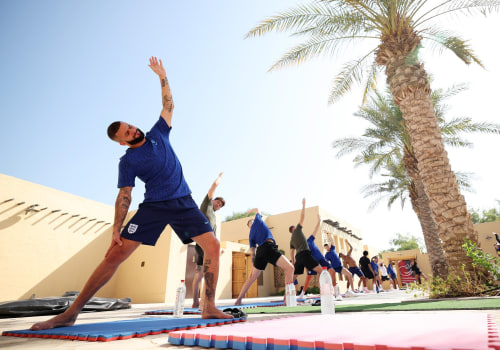
In the realm of athletics, the concept of longevity in sports has emerged as a pivotal focus for both professional athletes and fitness enthusiasts alike. Longevity refers to the ability to maintain peak performance and health over an extended period, allowing individuals to not only excel in their chosen sports but also to enjoy a higher quality of life as they age. This notion is particularly significant in a world where the physical demands of sports can often lead to injuries and burnout, making it essential for athletes to adopt strategies that promote long-term well-being.The benefits of sports longevity extend far beyond mere performance metrics. Engaging in regular physical activity has been shown to enhance cardiovascular health, improve mental well-being, and reduce the risk of chronic diseases.
Athletes who prioritise longevity are more likely to experience sustained energy levels, improved recovery times, and a greater sense of fulfilment in their sporting pursuits. Furthermore, the psychological advantages of remaining active throughout one’s life can lead to increased motivation and resilience, traits that are invaluable both on and off the field.As the understanding of longevity evolves, so too does the role of longevity clinicslongevity clinics. These specialised facilities offer tailored programmes designed to optimise health and performance through advanced medical assessments, nutritional guidance, and personalised training regimens. By leveraging cutting-edge research and technology, longevity clinics empower athletes to make informed decisions about their health, ensuring they can continue to perform at their best while minimising the risks associated with ageing.
In this article, we will delve deeper into how these clinics can play a transformative role in enhancing athletic performance and overall health.
Defining Longevity in Sports
Longevity in sports refers to the ability of athletes to maintain their performance and health over an extended period. This concept encompasses not only the duration of an athlete's career but also the quality of their performance throughout that time. In essence, it is about sustaining peak physical condition and competitive ability while minimising the risk of injury and health issues.To define sports longevity , we can break it down into several key components:- Physical Health: An athlete's overall health is paramount. This includes cardiovascular fitness, muscular strength, flexibility, and body composition.
Regular medical check-ups and preventive care are essential to identify potential health risks early.
- Injury Prevention: Injuries can significantly shorten an athlete's career. Implementing effective training regimens that focus on strength, conditioning, and recovery can help mitigate this risk. Athletes must also be educated on proper techniques and body mechanics.
- Mental Resilience: Longevity is not solely a physical endeavour; mental fortitude plays a crucial role. Athletes must develop coping strategies for stress, pressure, and setbacks, which can impact their performance and longevity.
- Nutritional Support: A well-balanced diet tailored to an athlete's specific needs can enhance performance and recovery.
Nutrition plays a vital role in maintaining energy levels and overall health.
- Adaptability: As athletes age, their bodies undergo changes that may affect performance. Being adaptable in training methods and techniques is essential for continued success.
By focusing on these areas, athletes can enhance their performance over time while enjoying a fulfilling career in sports.
The Science Behind Longevity in Sports
Understanding the science of longevity in sports requires a multifaceted approach that encompasses various biological and physiological factors. These elements work in concert to influence an athlete's ability to perform at a high level over an extended period.Genetics
plays a crucial role in determining an athlete's potential for longevity. Research indicates that certain genetic markers can predispose individuals to better cardiovascular health, muscle recovery, and overall resilience. For instance, variations in genes related to inflammation and oxidative stress can significantly impact how an athlete ages physically.
Athletes with favourable genetic profiles may experience less wear and tear on their bodies, allowing them to maintain peak performance longer than their peers.
Nutrition
is another vital component influencing longevity in sports. A well-balanced diet rich in essential nutrients supports optimal bodily functions, enhances recovery, and reduces the risk of chronic diseases. Athletes who prioritise nutritional strategies tailored to their specific needs—such as adequate protein intake for muscle repair and antioxidants for combating oxidative stress—tend to enjoy longer careers. Moreover, hydration plays a pivotal role; even mild dehydration can impair performance and recovery, underscoring the importance of fluid intake.
Exercise physiology
also contributes significantly to longevity in sports.
Regular physical activity promotes cardiovascular health, strengthens muscles, and improves flexibility—all of which are essential for sustaining athletic performance over time. The type of training an athlete engages in can further influence their longevity; for example, incorporating strength training can enhance bone density and reduce the risk of injury as one ages.Additionally, recovery practices , such as adequate sleep, physiotherapy, and active recovery sessions, are critical for maintaining long-term athletic performance. Athletes who neglect these aspects may find themselves more susceptible to injuries and burnout, ultimately shortening their careers.In conclusion, the interplay between genetics, nutrition, exercise physiology, and recovery practices forms the foundation of longevity in sports. By understanding these biological factors, athletes can make informed decisions that not only enhance their performance but also contribute to a longer, healthier career.
The Role of Longevity Clinics
Longevity clinics have emerged as pivotal establishments in the realm of sports and health, focusing on extending the careers of athletes while enhancing their overall well-being.These clinics are designed to provide a comprehensive approach to health management, specifically tailored to the unique needs of individuals engaged in high-performance sports.
What is a Longevity Clinic?
A longevity clinic is a specialised facility that offers a range of services aimed at promoting health, vitality, and longevity. These clinics utilise advanced medical technologies and evidence-based practices to assess and optimise an individual’s health status. The primary goal is to help clients not only live longer but also maintain a high quality of life throughout their years.
Benefits of Longevity Clinics
- Personalised Health Assessments: Athletes receive tailored evaluations that consider their specific physical demands, lifestyle choices, and genetic predispositions. This personalised approach allows for targeted interventions that can significantly enhance performance.
- Preventative Care: By focusing on prevention rather than treatment, longevity clinics help athletes avoid injuries and chronic conditions that could shorten their careers.
Regular screenings and health monitoring are integral components of this preventative strategy.
- Nutrition and Diet Planning: Nutrition plays a crucial role in an athlete's performance and recovery. Longevity clinics often provide bespoke dietary plans that optimise energy levels, enhance recovery times, and support overall health.
- Physical Therapy and Rehabilitation: Access to expert physiotherapists ensures that athletes can recover from injuries more effectively and maintain peak physical condition through tailored rehabilitation programmes.
- Hormonal and Metabolic Health: Many longevity clinics offer hormone optimisation therapies that can help athletes maintain their physical capabilities as they age, addressing issues such as testosterone levels in male athletes or hormonal imbalances in female athletes.
Services Offered by Longevity Clinics
The services provided by longevity clinics are diverse and often include:
- Comprehensive Health Screenings: Regular check-ups that assess cardiovascular health, metabolic function, and other critical health markers.
- Genetic Testing: Analyses that provide insights into genetic predispositions affecting performance and recovery.
- Fitness Assessments: Evaluations that measure strength, endurance, flexibility, and overall fitness levels to create customised training programmes.
- Mental Health Support:Mental Health Support: Psychological services aimed at enhancing mental resilience, focus, and emotional well-being, which are essential for peak performance.
Key Factors Influencing Longevity in Sports
Longevity in sports is influenced by a multitude of factors that extend beyond mere physical ability. Understanding these elements can help athletes optimise their performance and enhance their lifespan in competitive environments.Lifestyle Choices
- Nutrition: A balanced diet rich in essential nutrients is crucial for athletes.
Consuming adequate amounts of carbohydrates, proteins, fats, vitamins, and minerals supports energy levels and recovery. Athletes should focus on whole foods, such as fruits, vegetables, lean proteins, and whole grains, while minimising processed foods.
- Hydration: Staying hydrated is vital for maintaining peak performance. Dehydration can lead to fatigue, decreased coordination, and increased risk of injury. Athletes should develop a hydration strategy tailored to their specific needs and the demands of their sport.
- Rest and Recovery: Adequate sleep and recovery time are essential for longevity in sports.
Sleep allows the body to repair itself and recover from the stresses of training and competition. Incorporating rest days and active recovery sessions into training schedules can prevent burnout and overuse injuries.
Injury Prevention Strategies
- Proper Training Techniques: Athletes should engage in training programmes that emphasise proper techniques to reduce the risk of injury. This includes strength training, flexibility exercises, and sport-specific drills that enhance performance while safeguarding against common injuries.
- Listening to the Body: Athletes must learn to recognise signs of fatigue or discomfort. Ignoring these signals can lead to serious injuries that may sideline them for extended periods.
Implementing a proactive approach to injury management can significantly enhance longevity.
- Regular Medical Check-ups: Routine assessments by healthcare professionals can help identify potential issues before they escalate. This includes physiotherapy sessions, physiologic testing, and consultations with sports medicine specialists.
Mental Health Considerations
The mental aspect of sports is often overlooked but plays a significant role in an athlete's longevity. Maintaining a positive mindset, managing stress effectively, and seeking support when needed can contribute to overall well-being. Engaging in mindfulness practices or working with sports psychologists can help athletes develop resilience and cope with the pressures of competition.In conclusion, longevity in sports is a multifaceted concept that requires attention to lifestyle choices, injury prevention strategies, and mental health considerations.
By prioritising these factors, athletes can not only enhance their performance but also enjoy a longer, healthier career in their chosen sport.
Case Studies: Successful Athletes and Their Longevity Strategies
In the realm of sports, longevity is not merely about extending an athlete's career; it encompasses a holistic approach to health, performance, and well-being. Several renowned athletes have exemplified this concept through their unique strategies for maintaining peak performance over extended periods. Here, we explore a few case studies that highlight effective longevity strategies.Tom Brady: The Art of Recovery
American football quarterback Tom Brady is often cited as a prime example of longevity in sports. At 45 years old, he continues to perform at an elite level, a feat attributed to his rigorous recovery regimen.Brady follows a strict diet, known as the TB12 Method, which emphasises whole foods and hydration. Additionally, he incorporates advanced recovery techniques such as cryotherapy and regular massages to maintain muscle health and prevent injuries.
Serena Williams: Balancing Family and Fitness
Tennis champion Serena WilliamsSerena Williams has also demonstrated remarkable longevity in her sport. After becoming a mother, she adapted her training to accommodate her new lifestyle while still competing at the highest level. Williams focuses on strength training and flexibility exercises, which help her maintain agility on the court.Her ability to balance family life with professional commitments showcases the importance of mental health and support systems in achieving longevity.
Roger Federer: Mindfulness and Adaptation
Roger Federer
, one of tennis's greatest players, has embraced mindfulness as part of his longevity strategy. He practices meditation and visualisation techniques to enhance focus and reduce stress. Furthermore, Federer has adapted his playing style over the years to minimise physical strain, demonstrating that understanding one’s body and making necessary adjustments can significantly extend an athlete's career.
Conclusion
The case studies of Tom Brady, Serena Williams, and Roger Federer illustrate that successful athletes employ diverse strategies for longevity in their careers. From recovery techniques and dietary choices to mental health practices and lifestyle adaptations, these athletes exemplify how a comprehensive approach can lead to sustained success in sports.By learning from their experiences, aspiring athletes can develop their own longevity strategies that prioritise health and performance.
The Impact of Nutrition on Athletic Longevity
Nutrition is a cornerstone of athletic performance and longevity, influencing not only how athletes perform but also how long they can sustain their careers. A well-balanced diet tailored to the specific needs of an athlete can significantly enhance endurance, strength, and recovery, ultimately contributing to a longer, healthier career.At the core of an effective nutrition strategy for athletes is the understanding that dietary needs evolve throughout different stages of an athletic career. For instance, younger athletes may require a diet rich in calories and nutrients to support growth and development, while seasoned professionals might focus more on maintaining energy levels and preventing injuries.Key Nutritional Components
- Carbohydrates: These are the primary source of energy for athletes. Complex carbohydrates such as whole grains, fruits, and vegetables should form the basis of an athlete's diet to ensure sustained energy release during training and competition.
- Proteins: Essential for muscle repair and recovery, proteins should be consumed in adequate amounts post-exercise.
Sources like lean meats, fish, dairy, legumes, and plant-based proteins are vital for maintaining muscle mass and promoting recovery.
- Fats: Healthy fats from sources like avocados, nuts, seeds, and olive oil are crucial for hormone production and overall health. They also provide a concentrated source of energy that can be beneficial during prolonged activities.
- Vitamins and Minerals: Micronutrients play a significant role in metabolic processes and immune function. Athletes should ensure they consume a variety of fruits and vegetables to meet their vitamin and mineral needs.
Athletes should develop a hydration strategy that includes water as well as electrolyte-rich drinks during intense training sessions or competitions.
Dietary Recommendations for Different Stages
For young athletes, focusing on a diverse diet that includes all food groups is crucial. As they transition into their peak performance years, they may need to adjust their caloric intake based on their training intensity. Older athletes should consider incorporating anti-inflammatory foods such as fatty fish, berries, and leafy greens to combat age-related decline in performance.In conclusion, nutrition plays an indispensable role in enhancing athletic longevity. By tailoring dietary choices to meet the evolving needs of their bodies throughout their careers, athletes can not only improve their performance but also extend their time in the sport they love.Mental Health and Longevity in Sports
The intersection of mental health and longevity in sports is a critical area that often receives less attention than it deserves.Athletes, regardless of their level, face unique psychological challenges that can significantly impact their performance and overall well-being. Understanding these challenges and implementing effective strategies for mental health can enhance not only athletic performance but also the longevity of an athlete's career.One of the primary psychological factors influencing longevity in sports is stress management. Athletes are frequently under immense pressure to perform, which can lead to anxiety, burnout, and even depression. Developing robust coping mechanisms is essential for maintaining mental health.
Techniques such as mindfulness meditation, cognitive behavioural therapy (CBT), and relaxation exercises can help athletes manage stress effectively.Moreover, the role of self-talk cannot be overstated. Positive self-talk can enhance an athlete's confidence and resilience, enabling them to navigate the ups and downs of competitive sports. Conversely, negative self-talk can lead to a decline in performance and mental health. Athletes should be encouraged to cultivate a positive internal dialogue that reinforces their strengths and capabilities.Another crucial aspect is the importance of social support.
Building a strong network of coaches, teammates, family, and friends can provide emotional stability and encouragement during challenging times. Engaging with others who understand the pressures of sports can foster a sense of belonging and reduce feelings of isolation.Additionally, setting realistic goals is vital for maintaining motivation and mental health. Athletes should focus on process-oriented goals rather than solely outcome-based objectives. This approach not only helps in sustaining motivation but also allows athletes to appreciate their progress over time, contributing to a more fulfilling sporting experience.In conclusion, prioritising mental health is essential for athletes aiming for longevity in their sports careers.
By implementing effective stress management techniques, fostering positive self-talk, building social support networks, and setting realistic goals, athletes can enhance their psychological resilience. This holistic approach not only improves performance but also contributes significantly to a longer, healthier athletic career.
Future Trends in Sports Longevity Research
The landscape of sports longevity research is rapidly evolving, driven by advancements in technology and a deeper understanding of human physiology. As athletes strive for peak performance while also aiming to extend their careers, researchers are exploring innovative methodologies that promise to revolutionise athlete care.One of the most significant trends is the integration of wearable technologywearable technology. Devices that monitor heart rate, sleep patterns, and physical exertion are becoming commonplace among athletes.These tools not only provide real-time data but also enable personalised training regimens tailored to individual needs. By analysing this data, coaches and sports scientists can identify potential injury risks and adjust training loads accordingly, thereby enhancing both performance and longevity.Moreover, the advent of artificial intelligence (AI) in sports medicine is paving the way for predictive analytics. AI algorithms can process vast amounts of data from various sources, including historical performance metrics and biometric information. This capability allows for more accurate predictions regarding an athlete's risk of injury or burnout, enabling proactive interventions that can prolong careers.Another promising area of research is nutritional science.
The role of diet in athletic performance and recovery is well-documented, but ongoing studies are delving deeper into how specific nutrients can influence longevity. For instance, the impact of anti-inflammatory foods on recovery times and overall health is a burgeoning field that could lead to tailored dietary plans designed to optimise an athlete's lifespan in their sport.Furthermore, advancements in regenerative medicine , such as stem cell therapy and platelet-rich plasma (PRP) treatments, are gaining traction. These therapies aim to repair damaged tissues and accelerate healing processes, allowing athletes to recover more quickly from injuries and return to their sport with renewed vigour.Finally, the importance of mental health in sports longevity cannot be overstated. Emerging research highlights the correlation between psychological well-being and physical performance.
As a result, there is a growing emphasis on integrating mental health support into athlete care programmes. Techniques such as mindfulness training and cognitive behavioural therapy are being explored as essential components of a holistic approach to athlete longevity.In conclusion, the future of sports longevity research is bright, characterised by a multidisciplinary approach that combines technology, nutrition, regenerative medicine, and mental health strategies. As these innovations continue to develop, they hold the potential not only to enhance athletic performance but also to significantly extend the careers of athletes across various sports.
<strong>Conclusion</strong>
In summary, the concept of longevity in sports is multifaceted, encompassing not only the duration of an athlete's career but also the quality of life and health they experience throughout their journey. The insights gained from longevity clinics highlight the importance of a holistic approach to athletic performance, where physical training is complemented by mental resilience, nutritional strategies, and preventive healthcare.As we have explored, longevity clinics serve as vital resources for athletes seeking to extend their careers while maintaining optimal health.These clinics provide tailored programmes that address individual needs, focusing on:
- Injury Prevention: Implementing strategies to reduce the risk of injuries through proper training techniques and recovery protocols.
- Nutritional Guidance: Offering personalised dietary plans that support energy levels, recovery, and overall well-being.
- Mental Health Support: Recognising the psychological aspects of sports and providing resources to enhance mental resilience.
- Regular Health Assessments: Conducting comprehensive evaluations to monitor physical condition and detect potential health issues early.
Longevity clinics often encourage participation in group activities that promote camaraderie and support among athletes.Ultimately, the pursuit of longevity in sports is about more than just extending one's career; it is about enhancing the quality of life both during and after an athletic career. By prioritising health, well-being, and continuous learning, athletes can enjoy a fulfilling journey that transcends the confines of competition. As we continue to uncover the intricate relationship between sports and longevity, it becomes increasingly clear that a proactive approach is essential for those who aspire to thrive in their athletic endeavours.